A home inspection in Missouri costs between $300 and $500 on average. Most homeowners in Mid-Missouri pay around $350 to $400 for a standard inspection. The exact price depends on your home’s size, age, and location.
This guide covers everything you need to know about Missouri home inspection costs. You’ll learn what inspectors check, what problems they find most often, and how to get the best value for your money. Whether you’re buying a home in Jefferson City or selling in Rolla, this information helps you plan and budget better.
Understanding Home Inspection Costs in Missouri
A home inspection is a careful check of your property’s condition. A trained inspector looks at all the major parts of the home to find problems before you buy or sell.
Why Missouri Home Prices Vary
Home inspection costs change based on several things. A small condo in St. Louis might cost $250 to inspect, while a large older home in Cuba could run $500 or more.
Missouri inspection costs range from $322 to $437, with the state average sitting around $375. Your local area affects the price too. Columbia averages $375 for inspections, while St. Louis runs closer to $425.
What You Get for Your Money
The inspection fee covers a complete check of your home. The inspector spends two to four hours looking at everything from the roof to the foundation. You get a detailed report with photos showing any problems they find.
Research shows 86% of buyers discover defects through inspections. These hidden issues can lead to repair costs up to $18,000 if you skip the inspection. That makes the $300 to $500 fee look like a smart investment.
What Affects Home Inspection Costs in Missouri
Several factors change how much you pay for an inspection. Knowing these helps you understand why quotes differ between inspectors.
Home Size and Square Footage
Bigger homes take more time to inspect, which means higher costs. Here’s what you can expect to pay based on size:
Home Size | Average Cost |
Under 1,000 sq ft | $200 – $300 |
1,000 – 2,000 sq ft | $300 – $400 |
2,000 – 3,000 sq ft | $400 – $500 |
Over 3,000 sq ft | $500 – $650+ |
A 1,500 square foot home in Owensville typically costs around $350 to inspect. A 3,000 square foot home in Union might run $550.
Age of the Property
Older homes cost more to inspect because they have more potential problems. Homes built before the 1980s often have outdated systems and hidden issues that need detailed examination.
New construction homes usually cost less to inspect, running $280 to $400. Even though they’re newer, inspections are still important because materials can be defective or installed wrong.
Location Within Missouri
Where you live affects inspection prices. Rural areas like St. James or St. Robert might have lower costs than bigger cities. But if your home sits far from the inspector’s office, you might pay extra travel fees.
Urban areas see higher prices because of increased demand and higher business costs. Mid-Missouri cities like Jefferson City fall in the middle range.
Inspector Experience and Credentials
More experienced inspectors often charge higher fees. But their expertise can uncover problems that newer inspectors might miss.
Certified inspectors who belong to professional groups typically cost more. Their training and credentials mean more thorough inspections and better reports.
Extra Services
Basic inspections don’t include everything. If you want additional tests, expect to pay more:
- Radon testing: $125 – $200
- Mold inspection: $300 – $500
- Termite inspection: $75 – $150
- Septic system check: $300 – $550
- Well water testing: $250 – $450
Many inspectors offer package deals when you bundle services. This saves money compared to ordering each service separately.
What Does a Full House Inspection Include?
A standard home inspection covers all the major parts of your property. Understanding what’s included helps you know what you’re paying for.
Structural Components
The inspector checks the home’s bones. This means looking at the foundation, walls, floors, ceilings, and roof structure. They search for cracks, settling, water damage, and signs of movement.
Foundation problems can cost $5,000 to $15,000 to fix. Catching them early during inspection gives you leverage to negotiate with the seller.
Roof and Attic
Inspectors examine roof shingles, flashing, gutters, and downspouts. They check for missing or damaged shingles, leaks, and proper ventilation. Inside the attic, they look at insulation, ventilation, and signs of water damage or pests.
Most asphalt roofs last 15 to 20 years. If your roof is near the end of its life, the inspector notes this in the report.
Exterior Elements
The outside of your home gets a thorough check. Inspectors look at siding, trim, doors, windows, porches, decks, and stairs. They check for damage, rot, proper drainage, and safety issues.
Missouri’s freeze-thaw cycles can damage exterior materials. Inspectors pay special attention to areas where water might get in and cause problems.
Plumbing System
All visible pipes, drains, water heaters, and fixtures get tested. The inspector checks water pressure, looks for leaks, and tests all faucets and toilets. They also examine the water heater’s age and condition.
Ideal water pressure ranges between 40-80 psi. Too high or too low can signal problems.
Electrical System
The inspector tests all outlets, switches, and the main electrical panel. They look for outdated wiring, fire hazards, and code violations. Ground fault circuit interrupters in kitchens and bathrooms get special attention.
Electrical problems are serious fire risks. Inspectors flag any unsafe conditions that need immediate fixing.
HVAC System
Both heating and cooling systems get tested. The inspector checks furnaces, air conditioners, ductwork, thermostats, and filters. They look for proper operation, signs of wear, and potential safety issues.
HVAC systems last 10 to 15 years on average. Knowing your system’s age helps you plan for replacement costs.
Interior Spaces
Every room gets checked. Inspectors look at walls, ceilings, floors, doors, and windows. They test built-in appliances like dishwashers, garbage disposals, and range hoods. They also check for proper ventilation in bathrooms and kitchens.
Basement and Crawl Spaces
These areas are checked for moisture, proper ventilation, structural issues, and signs of pests. Inspectors look at support beams, floor joists, and the foundation from inside.
Basement moisture can lead to mold and structural damage. Finding these issues early prevents bigger problems later.
Safety Features
Smoke detectors, carbon monoxide detectors, fire extinguishers, and handrails all get checked. The inspector makes sure these safety items work properly and meet current codes.
What’s Not Included
Standard inspections don’t cover everything. These items need separate specialists:
- Pest and termite damage
- Radon levels
- Mold testing
- Lead paint
- Asbestos
- Pool and spa systems
- Septic systems
- Well water quality
- Landscaping and drainage
If you need these checks, ask about adding them to your home inspection package.
What Would Make a House Fail a Home Inspection?
Home inspections don’t actually pass or fail. But serious problems can make buyers walk away or demand major price reductions.
Foundation Problems
Foundation issues are among the costliest to fix, easily costing close to $10,000 depending on the extent. Major types include:
Cracks and Settlement: Large cracks in foundation walls signal serious problems. Horizontal cracks are especially worrying because they show pressure from outside pushing in.
Bowing Walls: Basement walls that bow inward mean water pressure is pushing against them. This happens more in areas with clay soil that expands and contracts.
Uneven Floors: Floors that slope or sag point to foundation settlement or structural problems underneath.
Roof Damage
Most asphalt shingle roofs last 15 to 20 years. Inspectors flag several roof issues:
- Missing or damaged shingles
- Leaks and water stains
- Sagging or uneven roof lines
- Damaged flashing around chimneys and vents
- Poor ventilation causing premature aging
Roof replacement costs $5,000 to $15,000 or more. This big expense makes buyers nervous.
Electrical Issues
Electrical problems can be significant fire hazards, so they are a primary concern to home inspectors. Common problems include:
- Outdated aluminum wiring
- Overloaded circuits
- Missing ground fault circuit interrupters
- Exposed or damaged wiring
- Improperly installed DIY electrical work
- Panels with rust or burn marks
Fixing major electrical problems costs $2,000 to $6,000. But the fire risk makes these fixes urgent.
Plumbing Problems
Water issues can cause expensive damage. Inspectors worry about:
- Leaking pipes
- Low water pressure
- Outdated or failing water heaters
- Sewage backup problems
- Corroded or damaged pipes
- Evidence of previous water damage
Old homes with original plumbing often need updates. Replacing pipes throughout a house can cost $5,000 to $15,000.
HVAC System Failures
Heating and cooling problems affect comfort and cost money to fix. Issues include:
- Systems that don’t work properly
- Dirty or clogged filters
- Refrigerant leaks
- Cracked heat exchangers
- Poor ductwork connections
- Systems past their expected lifespan
New HVAC systems cost $5,000 to $10,000. Buyers want to know if they face this expense soon after moving in.
Water Damage and Mold
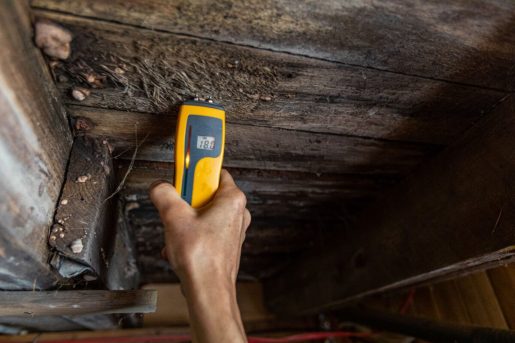
Water damage causes several problems that fail a home inspection on their own, such as wood rot, mold, or structural damage. Warning signs include:
- Stains on ceilings or walls
- Warped floors
- Musty smells
- Visible mold growth
- Soft or rotted wood
- Peeling paint
Mold removal costs $500 to $6,000 depending on how bad it is. The bigger worry is finding and fixing what caused the moisture problem.
Poor Drainage and Grading
Surface grading around a home can cause serious drainage issues and foundation damage, with lawns ideally graded to around 3% to allow proper drainage away from the foundation.
Water that pools near your home can cause:
- Foundation cracks
- Basement leaks
- Mold and mildew
- Wood rot
- Soil erosion
Fixing drainage problems costs $1,000 to $5,000 but prevents much more expensive foundation repairs.
Pest Infestations
Pest infestations like termites give any potential buyer the chills. Inspectors look for:
- Termite damage or mud tubes
- Signs of carpenter ants
- Evidence of rodents
- Wood-destroying insects
- Damaged structural wood
Treating infestations and repairing damage can cost $3,000 to $10,000 or more.
Code Violations
Work done without permits or not up to code causes problems. Common violations include:
- Unpermitted additions or renovations
- Improper bathroom ventilation
- Missing handrails on stairs
- Unsafe deck construction
- DIY work that doesn’t meet standards
Code violations can block financing or insurance. Fixing them takes time and money.
Structural Issues
Major structural problems scare buyers away:
- Sagging or bowed walls
- Cracked support beams
- Rotted floor joists
- Improper construction methods
- Evidence of previous poor repairs
Structural repairs are expensive and complicated. Many buyers prefer to find a different house.
How Long Does a Home Inspection Take in Missouri?
Most inspections take two to four hours. The exact time depends on several factors.
Factors That Affect Inspection Length
Home Size: A small 1,200 square foot home might take two hours. A large 3,500 square foot home could need four hours or more.
Home Age: Older homes take longer because there are more things to check carefully. New homes go faster since everything is newer and simpler.
Home Condition: A well-maintained home moves quickly. A home with lots of problems takes extra time to document everything properly.
Additional Services: Adding radon testing, mold checks, or other services extends the total time.
What Happens During the Inspection
The inspector arrives at the scheduled time and starts outside. They check the roof, exterior, and grounds first. Then they move inside to test all the systems and check every room.
You should attend your inspection if possible. Walking through with the inspector helps you understand the home better. You can ask questions and see problems firsthand.
The inspector takes photos and notes everything. They test switches, run water, operate appliances, and check for safety issues. Nothing gets missed.
Getting Your Report
You can expect a detailed report within 1-2 days of the inspection. Many Missouri inspectors provide reports within 24 hours.
Your report includes photos, descriptions of problems, and recommendations for repairs. Some items are marked as safety concerns that need immediate attention. Others are maintenance issues you can handle over time.
Home Inspection Costs for Different Property Types
Different kinds of properties have different inspection needs and costs.
Single Family Homes
Standard single-family homes are the most common inspection type. Costs run $300 to $500 for most Mid-Missouri homes. Larger homes or those with extra features like pools or outbuildings cost more.
Condos and Townhomes
The average home inspection in Saint Louis costs around $300 for condominiums. These inspections focus on the interior since the building exterior is shared. You still need to check all systems inside your unit.
Mobile Homes
Mobile home inspections cost $200 to $300 for a single-wide home or $250 to $450 for a double-wide home. Mobile homes have unique problems that need special attention from experienced inspectors.
New Construction
New homes still need inspections. New home inspections cost $280 to $400. Builders can make mistakes, and materials can be defective. Catching problems during construction or before closing saves headaches later.
Consider a pre-drywall inspection for new construction. This lets you see inside walls before they get covered up.
Investment Properties
Rental properties and investment homes need thorough inspections. You want to know about expensive repairs before buying. Expect to pay standard rates based on the property size and type.
Who Pays for Home Inspections in Missouri?
Understanding who covers inspection costs helps you budget properly.
For Home Buyers
The buyer typically pays the home inspection cost in Missouri. You schedule and pay for the inspection after your offer gets accepted but before closing.
The inspection protects your investment. Spending $350 now can save you thousands in surprise repairs later. Most buyers consider this money well spent.
You pay the inspector directly after they finish the report. This happens before closing, so it’s not technically part of closing costs. But many people budget for it as part of their total moving expenses.
For Home Sellers
Sometimes sellers pay for inspections. Sellers in competitive markets might offer to pay for inspections, especially if the number of homes for sale is rising.
A pre-listing inspection helps sellers in several ways. You can fix problems before listing, set a fair price, and show buyers the home is well-maintained.
Getting your own inspection before listing gives you control. You can decide which repairs to make and which to disclose. This prevents surprises during negotiations.
Negotiating Inspection Costs
In some cases, buyers and sellers split inspection costs. Or the seller might agree to cover it as part of negotiations. Everything is negotiable in real estate.
How to Save Money on Home Inspections
Smart shopping helps you get quality inspections without overspending.
Get Multiple Quotes
Contact at least three inspectors for price quotes. Make sure each quote covers the same services so you can compare fairly.
Don’t automatically pick the cheapest option. A thorough inspection from an experienced professional is worth paying a bit more.
Bundle Services
If you need radon testing, mold checks, or other services, bundle them together. Most inspectors offer package discounts. Getting everything done at once saves money and time.
Schedule Wisely
Some inspectors offer lower rates during slow periods. Winter months might have better availability and prices. Ask about any seasonal discounts.
Join First-Time Buyer Programs
First-time homebuyer programs sometimes offer help with inspection costs. Check local and state programs in Missouri to see what assistance is available.
Use Your Real Estate Agent’s Network
Your agent can recommend trusted inspectors they work with regularly. These relationships sometimes come with preferred pricing.
Finding the Right Home Inspector in Missouri
Choosing a good inspector is more important than finding the cheapest price.
Check Credentials and Experience
Missouri doesn’t require home inspector licenses. This means anyone can call themselves an inspector. Look for inspectors with professional certifications and memberships in groups like InterNACHI or ASHI.
Ask how long they’ve been inspecting full-time. You want someone with at least a few years of experience. Find out how many inspections they’ve completed.
Read Reviews and References
Check online reviews on Google, Facebook, and real estate websites. Look for consistent positive feedback about thoroughness, communication, and report quality.
Ask for references from past clients. Good inspectors are happy to provide them.
Review Sample Reports
Request a sample inspection report before hiring. This shows you how detailed and clear their reports are. Look for:
- Clear photos and descriptions
- Easy-to-understand language
- Organized format
- Specific recommendations
- Safety concerns highlighted
ARC Home Inspections provides detailed reports with photos and videos within 24 hours. Our reports include the convenient Create Request List feature for easy repair negotiations.
Ask Important Questions
Before hiring an inspector, ask:
- How long have you been inspecting homes?
- What certifications do you hold?
- Do you carry errors and omissions insurance?
- How long will the inspection take?
- When will I receive my report?
- Can I attend the inspection?
- What’s included in your standard inspection?
- What additional services do you offer?
Verify Insurance
Make sure your inspector carries liability insurance and errors and omissions insurance. This protects you if they miss something important.
Look for Local Knowledge
Choose inspectors familiar with Missouri homes. They understand local issues like freeze-thaw damage, clay soil problems, and regional construction methods.
Inspectors serving Cuba, Rolla, Farmington, and surrounding Mid-Missouri areas know what problems to expect in local homes.
What to Do After Your Home Inspection
Getting your report is just the beginning. Here’s what comes next.
Review the Report Carefully
Read through the entire report, not just the summary. Look at all the photos and understand what each problem means. Some issues are urgent safety concerns. Others are normal wear and tear.
Don’t panic if the report lists many items. 86% of buyers discover defects through inspections. Almost every home has some issues.
Prioritize Repairs
Divide problems into categories:
- Safety Issues: Things like electrical hazards, gas leaks, or structural problems need immediate attention.
- Major Systems: Failing HVAC, plumbing, or roof problems are expensive and important.
- Minor Repairs: Small fixes like leaky faucets or loose handrails.
- Maintenance Items: Things you can handle over time.
For Buyers: Negotiate with Sellers
Use your inspection report to negotiate. You have several options:
- Ask the seller to make specific repairs before closing
- Request a price reduction to cover repair costs
- Get a closing credit to handle fixes yourself
- Walk away if problems are too serious
Your real estate agent helps you decide the best approach. Market conditions affect what sellers will agree to do.
For Sellers: Decide on Repairs
If you did a pre-listing inspection, decide which problems to fix before listing. Address safety issues and major system problems. Consider fixing items that might scare buyers away.
For other issues, you can adjust your asking price or offer credits instead of making repairs. Disclose all known problems honestly.
Get Contractor Estimates
For major repairs, get quotes from licensed contractors. This gives you accurate cost information for negotiations. Share these estimates with the other party.
Schedule Follow-Up Inspections
Some repairs need verification. A re-inspection confirms the work was done properly. This protects both buyers and sellers.
Special Inspection Considerations for Missouri Homes
Missouri homes face unique challenges that affect inspections.
Weather and Climate Issues
Missouri’s weather creates specific problems. Freeze-thaw cycles damage foundations, pipes, and exterior materials. Heavy spring rains test drainage and waterproofing. Hot humid summers stress HVAC systems.
Inspectors familiar with Missouri weather know what damage to look for. They check for ice dam damage on roofs, frozen pipe history, and proper drainage around foundations.
Older Home Concerns
Many Missouri homes were built before modern codes. Common issues in older homes include:
- Outdated electrical systems
- Old plumbing materials
- Asbestos and lead paint
- Inadequate insulation
- Foundation settling
- Knob-and-tube wiring
Homes built before 1980 need extra careful inspection. The older the home, the more potential problems exist.
Rural Property Challenges
Rural Missouri homes often have wells and septic systems. These need separate specialized inspections. You also need to check:
- Private water quality
- Septic system function
- Outbuildings and barns
- Propane systems
- Long driveways
- Drainage on larger lots
If you’re buying rural property, budget for well water testing and septic system inspection in addition to the standard home inspection.
Radon Testing
Missouri has areas with elevated radon risk. Home inspectors check basements and crawl spaces with a radon detector. If levels are high, a mitigation system costs $800 to $1,500 to install.
Consider adding radon testing to your inspection, especially for homes with basements.
Termite and Pest Issues
Missouri’s climate is favorable for termites and other wood-destroying insects. A WDO inspection checks for active infestations and damage.
Investment Value of Home Inspections
Home inspections might seem expensive, but they save money in the long run.
Avoiding Costly Surprises
Hidden repairs can cost up to $18,000 or more. The $350 inspection fee is tiny compared to surprise foundation repairs, new roofs, or HVAC replacements.
Knowing about problems before you buy lets you make informed decisions. You can negotiate repairs, adjust your offer, or walk away from a bad deal.
Negotiating Power
Home inspections have saved homeowners an average of $14,000. This comes through price reductions, seller-paid repairs, or avoided bad purchases.
Your inspection report gives you facts to support negotiations. Sellers take documented problems seriously.
Peace of Mind
Buying a home is stressful. A thorough inspection gives you confidence in your purchase. You know what you’re getting and can plan for future maintenance.
Even if the inspection finds problems, you’re better off knowing about them. Knowledge lets you make smart choices.
Long-Term Planning
Your inspection report helps you plan future maintenance and repairs. You know the age of major systems, what needs attention soon, and what can wait.
This information helps you budget for homeownership costs beyond your mortgage payment.
Final Thoughts
Home inspections in Missouri cost $300 to $500 on average, with most Mid-Missouri homeowners paying around $350 to $400. This investment protects you from expensive surprises and gives you negotiating power.
A complete inspection covers everything from the foundation to the roof, identifying safety issues, system problems, and maintenance needs. While inspections don’t pass or fail homes, they reveal serious problems like foundation damage, electrical hazards, and failing systems that affect your decision to buy or sell.
Whether you’re purchasing a home in Jefferson City, selling in St. Clair, or maintaining property in Owensville, a professional inspection is worth every penny. The small upfront cost prevents much larger expenses down the road.
Don’t skip this important step. Choose an experienced inspector who knows Missouri homes and provides detailed reports. Attend your inspection, ask questions, and use the information to make smart real estate decisions.
Need a thorough home inspection in Mid-Missouri? Our experienced team provides detailed reports with photos and videos within 24 hours. We serve homeowners throughout Cuba, Rolla, Jefferson City, and surrounding areas. Call us at (314) 629-6606 or schedule your inspection online today. Protect your investment with a comprehensive inspection you can trust.
Uncover Hidden Issues Before It’s Too Late!
Hire ARC Home InspectionsProtect your investment and avoid costly surprises after closing.