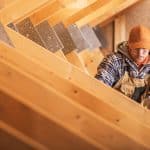

Home inspections save first-time buyers an average of $14,000 by finding problems before closing. A professional inspector spends 2 to 4 hours checking your potential home from the roof to the foundation. They look at everything you can see without tearing walls apart. You get a detailed report within a few days showing what works, what needs fixing, and what might break soon.
This guide explains everything first-time buyers need to know about home inspections in Missouri. You’ll learn what inspectors check, how to read your report, which problems matter most, and how to negotiate repairs with sellers. By the end, you’ll feel confident handling this important step in buying your first home.
Why First-Time Buyers Need Home Inspections
Buying your first home feels exciting and scary at the same time. You found a house you love. Your offer got accepted. Now comes the part that protects your investment.
What Home Inspections Reveal
Home inspections uncover hidden problems you can’t see during regular showings. According to research, 86% of inspections find at least one issue that needs attention. These aren’t always deal breakers. But knowing about them helps you make smart decisions.
Inspectors find things like:
- Old roofs that need replacing soon
- Electrical systems that pose fire risks
- Plumbing ready to fail
- Foundation cracks that cost thousands to fix
- Safety hazards you didn’t notice
Without an inspection, these problems become your expensive surprises after closing. With an inspection, you know exactly what you’re buying.
How Inspections Protect Your Investment
Think of a home inspection as insurance for your biggest purchase. You spend $300 to $500 now to avoid spending $10,000 or more later. That’s a pretty good deal.
Here’s what inspections do for you:
Give You Knowledge You learn about every major system in your home. The inspector shows you where things are and how they work. You find out what needs attention now and what to watch later.
Provide Negotiating Power Armed with your inspection report, you can ask sellers to fix problems or reduce the price. Many buyers negotiate thousands off the purchase price based on inspection findings.
Help You Budget Even if everything checks out okay, you learn what might need replacing in the next few years. Your HVAC system might work fine now but be 14 years old. You’ll know to start saving for a replacement.
Give You Confidence Walking into homeownership knowing your house’s condition feels way better than hoping for the best. You make informed decisions instead of blind guesses.
For Missouri buyers looking at homes built in the 1970s and 1980s, inspections become even more important. Older homes often need updates to electrical, plumbing, and HVAC systems.
Home Inspection Checklist for Buyers
Knowing what inspectors check helps you follow along during the inspection and understand your report. Here’s what gets examined.
Exterior and Structural Components
Inspectors start outside looking at your home’s protective shell.
Roof System
- Shingle condition and age
- Flashing around chimneys and vents
- Gutters and downspouts
- Signs of leaks or damage
- Attic ventilation
Roofs in Missouri face harsh weather. Winter ice, spring storms, and summer heat all take their toll. Most asphalt shingle roofs last 20 to 22 years. Knowing your roof’s age helps you plan for replacement costs.
Foundation and Grading
- Foundation cracks or settling
- Proper drainage away from the house
- Basement or crawl space condition
- Signs of water intrusion
- Soil grading around the foundation
The ground should slope away from your house. Water pooling near foundations causes expensive damage. In Missouri’s clay soil, foundations face extra stress from seasonal expansion and contraction.
Exterior Walls and Trim
- Siding condition and damage
- Paint or caulking problems
- Window and door frames
- Signs of rot or wood damage
Interior Systems and Safety
Once outside checks finish, inspectors move inside.
Electrical System
- Main electrical panel
- Circuit breaker function
- Outlet testing throughout the house
- Light fixtures and switches
- Ground fault outlets in wet areas
Electrical problems cause house fires. Homes built before 1980 often have outdated wiring that can’t handle modern appliances. Inspectors flag dangerous electrical issues as high priority safety concerns.
Plumbing System
- Water pressure at fixtures
- Drain function in sinks, tubs, and showers
- Visible pipe condition
- Water heater age and operation
- Signs of leaks or water damage
Old galvanized pipes rust from the inside. Houses built before 1970 often need complete plumbing replacement. Testing every faucet and drain reveals problems before they flood your home.
HVAC Systems
- Furnace operation and age
- Air conditioning function
- Thermostat accuracy
- Filter condition
- Ductwork connections
Heating and cooling systems last 10 to 15 years. Replacing them costs $5,000 to $10,000. Missouri’s extreme temperatures stress HVAC systems year round.
Interior Condition
- Wall and ceiling condition
- Floor levelness
- Door and window operation
- Signs of moisture or mold
- Attic and crawl space access
Doors that stick might just need adjustment. Or they could signal foundation problems. Inspectors know the difference.
Safety and Environmental Concerns
Some hazards hide in plain sight.
Fire Safety
- Smoke detector presence and function
- Carbon monoxide detector installation
- Fire extinguisher accessibility
- Proper venting of appliances
Missouri building codes require smoke detectors in specific locations. Missing or broken detectors are easy fixes that keep your family safe.
Environmental Hazards
- Radon gas levels (if tested)
- Mold or moisture issues
- Lead paint in older homes
- Asbestos in homes built before 1981
Additional testing for these hazards costs extra but provides important information. Many buyers add radon testing and mold testing to their standard inspection.
Things That Fail a Home Inspection
Home inspections don’t actually pass or fail. But certain problems raise serious red flags that could kill your deal or cost you big money.
Major Structural Issues
These problems affect your home’s basic integrity.
Foundation Problems Foundation issues top the list of expensive repairs. Cracks wider than a quarter inch, bowing walls, or uneven settling signal serious trouble. Foundation repairs run $5,000 to $40,000 depending on severity.
Warning signs include:
- Horizontal cracks in foundation walls
- Doors and windows that won’t close properly
- Sloping or uneven floors
- Gaps between walls and ceilings
- Water in basements or crawl spaces
About 60% of U.S. homes sit on clay soil that shifts with moisture changes. Missouri’s soil conditions make foundation monitoring important.
Roof Damage A failing roof lets water into your home. Water causes mold, wood rot, and structural damage throughout the house.
Common roof problems:
- Missing or damaged shingles
- Leaks around chimneys or vents
- Sagging sections
- Poor attic ventilation
- Signs of water intrusion
Replacing a roof costs $5,000 to $10,000 or more. If the seller’s roof is 20 years old or older, budget for replacement soon.
Structural Damage Problems with framing, floor joists, or load-bearing walls threaten your home’s stability. Signs include:
- Rotted wood in attics or crawl spaces
- Sagging floors or ceilings
- Cracked or damaged beams
- Improper modifications to structure
Dangerous System Failures
Some problems create immediate safety risks.
Electrical Hazards Faulty wiring causes 51,000 house fires every year. Electrical problems aren’t just inconvenient. They’re dangerous.
Red flags include:
- Outdated electrical panels
- Aluminum or knob and tube wiring
- Overloaded circuits
- Missing ground fault outlets
- Exposed or damaged wiring
Homes built in the 1950s through 1970s often need complete electrical updates. Budget $8,000 to $15,000 for whole house rewiring.
Plumbing Failures Plumbing problems range from minor annoyances to major disasters.
Serious issues include:
- Galvanized pipes (common before 1970)
- Polybutylene pipes (used 1978 to 1994)
- Low water pressure throughout the house
- Sewer line problems
- Active leaks or water damage
Replacing all plumbing costs $4,000 to $10,000. Sewer line repairs add another $3,000 to $10,000.
HVAC System Breakdown A dead furnace in Missouri winter or failed AC in summer makes your home unlivable.
Warning signs:
- Systems older than 15 years
- Strange noises or smells
- Uneven heating or cooling
- High energy bills
- Frequent repairs needed
Common Problem Areas
These issues show up frequently but vary in severity.
Water Damage and Drainage Water is a home’s worst enemy. Poor drainage causes:
- Foundation settling
- Basement flooding
- Mold growth
- Wood rot
- Pest infestations
The ground should slope away from your foundation at least 3%. Gutters and downspouts must direct water at least 5 feet away from the house.
Pest Infestations Termites, rodents, and other pests destroy homes and spread disease. Signs include:
- Mud tubes on foundation walls
- Wood damage or hollow-sounding wood
- Droppings or nests
- Entry holes around the foundation
Termite damage repairs average $3,000 to $4,000. Treatment costs a few hundred dollars. A WDO termite inspection checks for wood-destroying organisms.
Ventilation and Insulation Problems Poor attic ventilation and inadequate insulation waste energy and damage your home. Attic insulation should be 10 to 14 inches deep in Missouri.
Problems include:
- Insufficient insulation
- Blocked vents
- Moisture in attics
- Ice dams in winter
Small but Important Issues Don’t ignore these common problems:
- Missing GFCI outlets in bathrooms and kitchens
- Toilet wax ring leaks
- Missing anti-tip brackets on stoves
- Failing door and window seals
- Clogged or damaged gutters
These fixes cost little but show up on every inspection report.
Understanding Your Inspection Report
Your inspection report becomes your guide to the home’s condition. Here’s how to read and use it.
Report Structure and Format
Modern inspection reports include:
- Executive summary of major findings
- Detailed descriptions of each system
- Hundreds of photos showing conditions
- Safety concerns clearly marked
- Recommendations for repairs or monitoring
Reports often run 30 to 50 pages. Don’t panic at the length. Most findings are minor maintenance items.
Priority Levels
Good inspectors organize findings by importance:
Immediate Safety Hazards These need fixing before you move in:
- Electrical fire risks
- Gas leaks
- Carbon monoxide dangers
- Structural instability
Major Repairs Needed Expensive problems requiring attention soon:
- Failing HVAC systems
- Old water heaters
- Serious plumbing issues
- Roof problems
Routine Maintenance Normal items for any home:
- Replace air filters
- Clean gutters
- Caulk around windows
- Service furnace annually
Monitor These Items Things to watch but not urgent:
- Small cracks to track
- Aging systems still working
- Minor cosmetic issues
What the Language Means
Inspection reports use specific terms. Here’s what they really mean:
“Recommend immediate evaluation” This is serious. Hire a specialist right away. The problem could be dangerous or very expensive.
“At or near end of service life” The system still works but won’t last much longer. Start budgeting for replacement.
“Monitor for changes” Watch this area over time. Small problems can grow into big ones.
“Normal wear for age” Nothing unusual. Every house has these issues at this age.
How to Use Your Inspection as a First-Time Buyer
Your inspection report gives you negotiating power. Here’s how to use it wisely.
Deciding What to Negotiate
Not everything in the report deserves attention. Focus on items that:
- Create safety hazards
- Cost significant money to fix
- Affect major systems
- The seller didn’t disclose
Don’t nickel and dime sellers over minor issues. You’ll need goodwill for bigger negotiations.
Three Ways to Address Problems
You have options when problems show up:
Ask for Repairs The seller fixes issues before closing. You get receipts from licensed contractors proving work was done. This works well for safety items or things affecting your loan approval.
Request Credits The seller reduces the price or gives you cash at closing. You handle repairs yourself after you own the home. Many buyers prefer this because they control who does the work.
Renegotiate Price The purchase price drops to account for needed repairs. This helps if you need cash for immediate fixes or want to tackle projects yourself.
Your real estate agent guides these negotiations. They know what’s reasonable to ask for in your market.
When to Walk Away
Sometimes inspection findings are too serious to accept. Consider walking away if:
- Foundation repairs cost more than 10% of home value
- Extensive water damage suggests bigger hidden problems
- Electrical or plumbing needs complete replacement
- Seller refuses to address serious safety issues
Your inspection contingency lets you cancel the purchase without penalty. You lose the inspection fee but avoid buying a money pit.
Getting Specialist Opinions
Major problems need expert evaluation. Bring in specialists for:
- Structural engineers for foundation issues
- Licensed electricians for electrical problems
- HVAC contractors for heating and cooling
- Roofers for roof assessments
- Plumbers for serious pipe issues
Specialists provide detailed repair estimates you can use in negotiations. They also confirm whether problems are as bad as they seem.
Finding the Right Inspector for Your First Home
Your inspection quality depends entirely on your inspector’s skill. Choose carefully.
What to Look For
Qualified inspectors have:
- Professional licensing or certification
- Membership in ASHI or InterNACHI
- Several years of experience
- Insurance and bonding
- Good reviews from past clients
Ask how many inspections they’ve completed. Look for a minimum of two years experience and hundreds of inspections.
Questions to Ask Before Hiring
Interview potential inspectors:
- What does your inspection cover?
- How long will it take?
- Can I attend the inspection?
- When will I receive the report?
- What format is the report in?
- Do you offer additional services?
Good inspectors welcome questions. They explain their process clearly and encourage buyers to attend inspections.
Red Flags to Avoid
Skip inspectors who:
- Offer the lowest price by far
- Can’t provide proof of insurance
- Rush through inspections in under 2 hours
- Won’t let you attend
- Have no professional certifications
- Recommend specific contractors
Never use an inspector your real estate agent requires. Choose your own to avoid conflicts of interest.
For comprehensive home inspection services in Missouri, look for inspectors familiar with local housing stock and climate challenges.
The Value of Attending Your Inspection
Always attend your first home inspection. Walking through with your inspector teaches you about your home. You learn:
- Where important systems are located
- How to maintain your home
- What to watch for future problems
- Which issues matter most
Ask questions during the inspection. Take notes and photos. This hands-on education helps you after you move in.
Special Considerations for Missouri First-Time Buyers
Missouri’s housing market and climate create unique challenges for first-time buyers.
Age of Housing Stock
Many Missouri homes date from the 1970s and earlier. The median home in cities like Lebanon was built around 1979. Older homes often need:
- Electrical system updates
- Plumbing replacement
- Improved insulation
- HVAC upgrades
These aren’t deal breakers. They’re normal for older homes. Your inspection reveals what needs attention now versus later.
Climate Impact on Homes
Missouri weather stresses houses year round:
- Freezing winters cause ice dams and frozen pipes
- Hot, humid summers strain air conditioning
- Spring storms bring hail damage
- Tornado activity above national average
Inspections should focus extra attention on:
- Roof condition after storm seasons
- Basement and crawl space moisture
- HVAC capacity for Missouri weather
- Proper insulation and ventilation
Common Local Issues
Missouri homes face specific problems:
Foundation Movement Clay soil expands when wet and shrinks when dry. This constant movement stresses foundations. Cracks and settling are common but not always serious.
Basement Moisture Heavy spring rains cause basement water issues. Good drainage and working sump pumps are essential.
Outdated Systems Many homes have original systems from the 1970s and 1980s. These need replacement regardless of whether they still work.
Making Smart Decisions After Your Inspection
Your inspection report helps you decide whether to proceed with the purchase.
Balancing Problems and Potential
No house is perfect. Even new homes have punch lists of small items to fix. The question is whether problems are manageable or overwhelming.
Consider:
- Your budget for repairs
- Your DIY skills and interest
- The home’s overall condition
- Whether seller will address major issues
- Your timeline for moving
A house with good bones but outdated finishes might be perfect if you enjoy projects. A house with foundation problems probably isn’t.
Understanding Market Conditions
Your negotiating power depends partly on market conditions. In hot markets, sellers have options. They might refuse to make repairs if other buyers are waiting.
In slower markets, sellers need you more. They’ll often agree to reasonable repair requests to keep the deal alive.
Your agent helps you understand what’s realistic in your market.
Planning for Future Costs
Even if major systems work fine now, they won’t last forever. Your inspection report notes the age of:
- Roof
- HVAC system
- Water heater
- Appliances
Plan ahead for replacements. A 12-year-old furnace works fine but will need replacing within a few years. Budget accordingly.
Getting the Final Report
Once negotiations finish and repairs are complete, consider a re-inspection to verify work was done properly. This extra step costs $100 to $200 but confirms repairs meet standards.
Additional Services for First-Time Buyers
Standard inspections don’t cover everything. Consider adding these services.
Environmental Testing
Certain hazards require special testing:
Radon Gas This colorless, odorless gas causes lung cancer. Testing takes a few days and costs $150 to $200. Missouri has areas with elevated radon levels. Testing protects your family’s health.
Mold Assessment If you smell mustiness or see water damage, get professional mold testing. Some mold types cause serious health problems.
Lead Paint Homes built before 1978 likely have lead paint. Testing identifies risks before children are exposed.
System Specialists
Certain systems need expert evaluation:
Septic System Inspection If your home has a septic tank instead of city sewer, hire a septic specialist. They pump and inspect the system to verify it works properly.
Well Water Testing Test well water for bacteria and contaminants. City water gets tested regularly. Well water is your responsibility.
Chimney Inspection If you have a fireplace, hire a chimney specialist. They use cameras to check for damage and blockages that regular inspectors can’t see.
For properties outside city services, well water testing and septic system inspection provide peace of mind.
Final Thoughts
Home inspections protect first-time buyers from expensive mistakes. The few hundred dollars you spend on inspection saves thousands in surprise repairs. Research shows inspections save buyers an average of $14,000.
As a first-time buyer, expect your inspection to find some issues. That’s completely normal. What matters is knowing about problems before you own them. Knowledge gives you power to negotiate, budget, and make informed decisions.
Focus on safety hazards and major system problems. Don’t stress over minor maintenance items. Every house needs ongoing care regardless of age or condition.
Work closely with your real estate agent to interpret inspection findings and negotiate repairs. Choose a qualified inspector who takes time to explain findings and answer your questions. Attend your inspection to learn about your potential new home.
Remember that inspections reveal the home’s current condition. They don’t predict future problems. Systems that work today might fail tomorrow. That’s the nature of homeownership. Good inspections simply help you start with accurate information.
For first-time buyers in Missouri, understanding local housing challenges makes inspections even more valuable. Older homes, clay soil, and extreme weather all stress houses in unique ways. Local inspectors know what to watch for.
Home inspections aren’t about finding perfect houses. They’re about buying homes with your eyes wide open. Armed with inspection knowledge, you’ll make confident decisions about your first home purchase.
Ready to schedule your buyers inspection and protect your investment? Don’t take chances with the biggest purchase of your life. Contact us at (314) 629-6606 or request your inspection today. We provide thorough evaluations with detailed reports delivered within 24 hours, plus free thermal imaging to catch problems other inspectors miss.