Foundation problems are the biggest red flag in a home inspection in Lebanon MO. These issues can cost you $5,000 to $40,000 to fix, and they affect every part of your house. When you spot cracks wider than a quarter inch, doors that won’t close right, or floors that feel uneven, you’re looking at foundation trouble.
This guide breaks down what home inspectors look for in Lebanon, the most dangerous problems they find, and what you should watch out for. We’ll cover everything from foundation cracks to electrical hazards so you know exactly what matters when buying a home in Mid-Missouri.
Why Foundation Issues Top the List
Your home sits on its foundation like a cake sits on a plate. If the plate cracks, the whole cake goes sideways. Foundation problems don’t just show up as cracks in concrete. They ripple through your entire house.
Signs Your Foundation Has Problems
Watch for these warning signs during your home inspection:
- Cracks wider than a quarter inch in walls or floors
- Doors and windows that stick or won’t close
- Gaps between walls and the ceiling
- Sloping or uneven floors
- Water pooling near your foundation
- Basement walls that bow inward
Foundation repairs in Lebanon MO can run anywhere from $5,000 for minor fixes to $40,000 for major work. That’s why spotting these issues during your buyers inspection saves you from buying a money pit.
How Lebanon’s Soil Affects Your Foundation
Lebanon sits in an area where soil can shift and settle. The median home age here is from 1979, which means many houses have been sitting on Missouri soil for over 40 years. Clay soil expands when wet and shrinks when dry. This constant movement puts pressure on foundations.
Missouri experiences freezing winters and humid summers. Water gets into cracks, freezes, and makes those cracks bigger. That’s why proper drainage around your foundation matters so much in our area.
What Happens During a Home Inspection
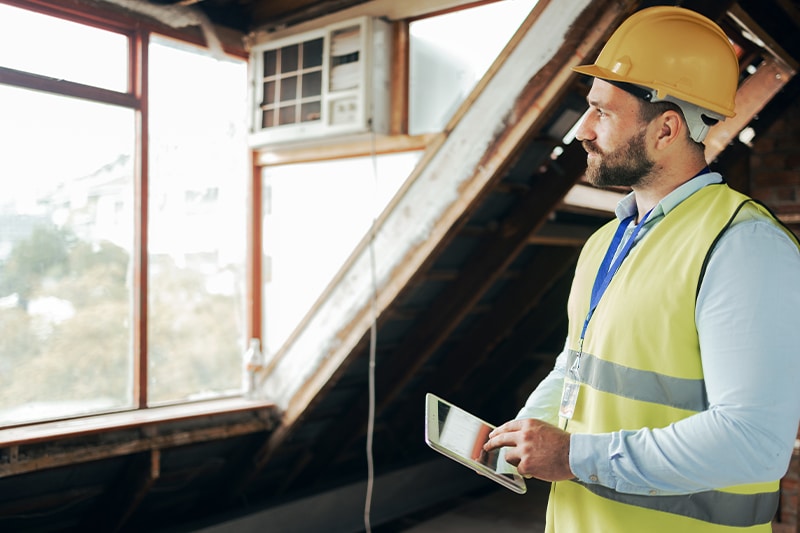
A home inspector checks your house from top to bottom. They look at everything you can see without tearing walls apart or digging up your yard. Most inspections take 2 to 4 hours for an average home.
The Inspector’s Checklist
Here’s what gets examined during a typical inspection:
Exterior Areas
- Roof condition and age
- Gutters and downspouts
- Siding and paint
- Foundation and grading
- Driveway and walkways
Interior Systems
- Electrical panels and outlets
- Plumbing pipes and fixtures
- Heating and cooling systems
- Walls, ceilings, and floors
- Windows and doors
Hidden Spaces
- Attic insulation and ventilation
- Crawl space condition
- Basement moisture issues
Your inspector creates a detailed report with photos. They mark problems as safety issues, major repairs, or minor fixes. In Lebanon, where the median home value is around $222,000, that inspection report protects your investment.
What Inspectors Cannot Check
Home inspectors don’t move furniture or tear up floors. They can’t see inside walls or underground. That’s why additional testing like radon testing or mold testing might be smart choices.
Swimming pools, septic systems, and well water need special tests. If your Lebanon home has these features, ask about septic system inspection or well water testing services.
The Riskiest Parts of a Home Inspection
For Inspectors: Crawl Spaces Lead the Danger List
Crawl spaces pose the biggest physical danger to inspectors. These tight spaces hide sharp metal ducts, exposed wiring, and critters. Inspectors risk bumping their heads, breathing in insulation dust, or encountering rodents and their droppings.
Missouri crawl spaces often have standing water, mold, and poor ventilation. Snakes and spiders love these dark spaces too. That’s why professional inspectors use proper safety gear and never inspect crawl spaces alone.
For Buyers: Structural Issues Carry the Most Risk
For you as a buyer, structural problems create the biggest financial risk. When foundation, roof, or framing issues show up, repair costs skyrocket. These problems also make it hard to get home insurance or sell the house later.
Electrical hazards rank high on the risk list too. Older homes in Lebanon built in the 1970s or earlier often have outdated wiring. Faulty wiring causes house fires. It’s not something you can ignore or fix later.
Red Flags That Should Stop You Cold
Some inspection findings are deal breakers. Others are just negotiation points. Here’s how to tell the difference.
Major Problems Worth Walking Away From
These issues cost so much to fix that you might want to find another house:
Serious Foundation Damage Horizontal cracks, walls leaning inward, or major settling mean big repair bills. If fixes cost more than 10% of the home’s value, keep looking. For a $220,000 house in Lebanon, that’s repairs over $22,000.
Extensive Water Damage Water ruins everything it touches. Widespread water damage causes mold, wood rot, and foundation problems. If your inspector finds water stains throughout the house or in multiple rooms, that house has serious issues.
Dangerous Electrical Systems Knob and tube wiring or aluminum branch circuits are fire hazards. Insurance companies won’t cover homes with these old systems. Complete rewiring costs $8,000 to $15,000 or more.
Active Termite Infestations Termites literally eat your house. Treatment costs a few hundred dollars, but repairing the damage they’ve done costs $3,000 to $4,000 on average. Severe infestations can run much higher.
Problems You Can Negotiate
These issues matter but don’t necessarily kill the deal:
- Aging HVAC systems (10 to 15 years old)
- Minor roof repairs or missing shingles
- Outdated but functional plumbing
- Cosmetic issues like old carpet or paint
- Small cracks in driveway or sidewalks
Ask the seller to fix these problems, give you a credit at closing, or reduce the purchase price. Your real estate agent can help you negotiate fair terms.
Common Home Inspection Failures in Lebanon MO
Lebanon homes face unique challenges due to our location and climate. Here are the most common problems inspectors find in our area.
Roof and Attic Issues
Missouri weather beats up roofs. Ice dams form in winter. Summer heat bakes shingles. Spring storms drop hail. Your inspector checks for:
- Missing or damaged shingles
- Sagging roof sections
- Poor attic ventilation
- Signs of leaks or water damage
- Worn flashing around chimneys
Roof replacement costs $5,000 to $10,000 or more. A roof that’s 20 to 25 years old is nearing the end of its life.
Plumbing Problems
Older Lebanon homes often have galvanized steel pipes. These pipes rust from the inside out. After 40 to 50 years, they need replacement. Signs of plumbing trouble include:
- Low water pressure throughout the house
- Rust colored water
- Visible corrosion on exposed pipes
- Water stains on ceilings or walls
- Running toilets or dripping faucets
Replacing all the plumbing in a house costs $4,000 to $10,000. Burst pipes cause emergency repairs and water damage that costs even more.
Electrical System Red Flags
Electricity demands have grown since the 1970s. Older homes weren’t wired for today’s appliances and devices. Common electrical problems include:
- Outdated electrical panels
- Too few outlets (causing overloaded circuits)
- No GFCI outlets in bathrooms and kitchens
- Exposed wiring
- Flickering lights
Electrical fires destroy homes and endanger families. Don’t ignore electrical problems even if everything seems to work fine now.
HVAC Concerns
Heating and cooling systems typically last 10 to 15 years. In Lebanon’s climate, your HVAC works hard. Winter lows hit the 20s. Summer highs reach the 90s. Warning signs include:
- Systems older than 15 years
- Strange noises or smells
- Uneven heating or cooling
- High energy bills
- Frequent repairs
Replacing an HVAC system costs $5,000 to $10,000. That’s a big expense to face right after buying a house.
Moisture and Drainage Problems
Water is a home’s worst enemy. Poor grading around foundations lets water pool against your house. This causes:
- Foundation cracks and settling
- Basement flooding
- Wood rot in sill plates
- Mold growth
- Insect infestations
The ground should slope away from your house for at least 5 feet. Downspouts should direct water at least 5 feet away too. These simple fixes prevent expensive damage.
How to Use Your Inspection Report
Your inspection report isn’t a repair list for the seller. It’s information that helps you make smart decisions. Here’s what to do with it.
Prioritize Safety Issues First
Fix anything that threatens safety right away. This includes:
- Electrical hazards
- Gas leaks
- Structural damage
- Missing railings or safety features
- Mold or water damage
Safety issues should be fixed before you move in. Don’t compromise on these.
Separate Major from Minor Problems
Not every inspection finding deserves attention. Hairline cracks in concrete are normal. A door that sticks might just need adjustment. Focus your negotiation energy on problems that cost real money to fix.
Major systems like roofs, foundations, HVAC, and plumbing deserve attention. These are expensive to replace and affect your daily life.
Get Expert Opinions When Needed
Your inspector identifies problems but doesn’t quote repair costs. For major issues, hire specialists to give you detailed estimates:
- Structural engineers for foundation problems
- Licensed electricians for electrical issues
- HVAC contractors for heating and cooling
- Roofers for roof assessments
Armed with actual quotes, you can negotiate fairly with the seller. You might also decide the repairs cost too much and walk away from the deal.
Questions to Ask Your Inspector
Good inspectors welcome questions. Don’t be shy about asking. Here are important questions to raise:
- Which problems need immediate attention?
- What’s the typical lifespan of the roof, HVAC, and other major systems?
- Are there any safety hazards?
- What maintenance should I do first?
- Do you recommend any additional inspections?
If your inspector finds foundation cracks, ask if you should hire a structural engineer. Unusual electrical issues might require an electrician’s opinion. Trust your inspector’s recommendations for follow up evaluations.
Special Considerations for Lebanon Homes
Lebanon’s housing market has some unique features. About 57% of residents own their homes. The median construction year is 1979. Many houses were built between 1950 and 1990.
Older Home Challenges
Homes built before 1978 might have lead paint. Houses from the 1970s often need electrical updates. Plumbing from the 1960s and 1970s typically needs replacement.
Don’t let age scare you away. Older homes can be great buys if they’ve been well maintained. Your inspection reveals whether previous owners kept up with repairs and updates.
Location Specific Issues
Lebanon sits in Mid-Missouri where tornado activity runs slightly above the national average. Check your potential home’s storm shelter or safe room options. Inspect for previous storm damage that might not have been repaired correctly.
Foundation issues relate to our soil types and weather patterns. Spring brings heavy rain. Summer heat causes soil to dry and crack. These seasonal changes stress foundations over time.
Making Your Decision After the Inspection
You have choices when problems show up in your inspection report. Here are your main options:
Accept the Problems
Some issues don’t bother you or don’t cost much to fix. You can buy the house as is and handle repairs yourself. This works if you’re handy or budgeting for improvements anyway.
Negotiate with the Seller
Most buyers ask sellers to address major problems. You can request:
- The seller completes repairs before closing
- A credit at closing to pay for repairs yourself
- A reduced purchase price to account for needed work
Your real estate agent guides these negotiations. Sellers often agree to reasonable requests especially for safety issues or major system failures.
Walk Away from the Deal
If your home inspection reveals problems that cost too much or indicate bigger issues, you can cancel the purchase. Most contracts include an inspection contingency that lets you back out without penalty.
Walking away feels disappointing but beats buying a house that drains your savings.
Finding a Good Inspector in Lebanon
Your inspection quality depends on your inspector’s skill. Don’t just pick the cheapest option or use the first name your real estate agent suggests.
What to Look For
Choose an inspector who:
- Has proper licensing and certification
- Carries insurance
- Provides detailed written reports with photos
- Allows you to attend the inspection
- Explains findings clearly
- Has experience with homes in Mid-Missouri
Ask about their background, training, and how many inspections they’ve completed. An experienced inspector spots problems that rookies miss.
Questions About the Process
Before hiring an inspector, ask:
- How long will the inspection take?
- When will I receive the report?
- What does your inspection cover?
- What additional services do you offer?
- Can I follow along during the inspection?
Clear communication from the start leads to better results.
Additional Testing You Might Need
Standard home inspections don’t cover everything. Depending on your house, consider these extra tests.
Radon Gas Testing
Radon is a colorless, odorless gas that causes lung cancer. It comes from natural uranium decay in soil and rock. Testing takes a few days and costs $150 to $200. If levels are high, mitigation systems cost $800 to $1,500.
Termite and Pest Inspections
Look for WDO termite inspection services if your house shows signs of wood damage. Termites cause billions in damage nationwide every year. Treatment and repairs prevent small problems from becoming big disasters.
Mold Assessment
If your inspector spots water damage or smells mustiness, get professional mold testing. Some mold is harmless. Other types cause serious health problems especially for people with allergies or asthma.
Well and Septic Tests
City water and sewer don’t reach every Lebanon property. If your potential home has a well or septic system, test them. Well water should be tested for bacteria and contaminants. Septic systems need pumping and inspection to verify they work properly.
Final Thoughts
Foundation problems stand out as the biggest red flag in Lebanon MO home inspections because they cost the most to fix and affect your entire house. But they’re not the only issues worth worrying about. Electrical hazards, water damage, structural problems, and major system failures all deserve serious attention.
A thorough home inspection protects your investment and your family’s safety. Don’t skip this important step even in a competitive market. The few hundred dollars you spend on an inspection can save you tens of thousands in repairs.
Remember that no house is perfect. Minor issues are normal and expected. Focus on safety hazards and major structural or system problems. Work with your inspector and real estate agent to make informed decisions about your potential new home in Lebanon.
Ready to schedule a professional home inspection in Lebanon MO? Get the detailed information you need to buy with confidence. Call us today at (314) 629-6606 or contact us to book your comprehensive inspection and protect your investment.