
Yes, hiring a home inspector is worth every penny. For around $300 to $500, you get an expert who finds problems that could cost thousands to fix later. Studies show that 86% of home inspections find at least one issue that needs attention. The average repair costs found during inspections are about $6,000, which means your inspection pays for itself many times over.
This article explains exactly what you get when you hire a home inspector, how much it costs in Missouri, what a full inspection includes, and why skipping this step can be a huge mistake.
Why You Should Hire a Home Inspector
Buying a home is probably the biggest purchase you’ll ever make. Most people in Missouri spend around $250,000 or more on a house. That’s a lot of money to spend without knowing what you’re really getting.
A home inspector is like having a doctor check your health before you commit to something big. They look at everything that matters and tell you what’s working and what’s not.
You Can’t See Everything Yourself
When you walk through a house, it might look perfect. Fresh paint, clean floors, and nice landscaping can hide serious problems. A home inspector knows where to look and what to look for.
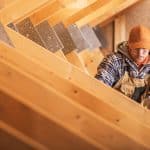
They check areas most people never see. They climb into attics, crawl under houses, and inspect electrical panels. They use special tools like thermal cameras to find hidden water damage and moisture problems.
Safety Comes First
Some house problems are dangerous. Old electrical wiring can cause fires. Faulty furnaces can leak carbon monoxide. Weak stairs can lead to falls.
According to the U.S. Fire Administration, about 51,000 home fires each year start from electrical problems. A home inspector finds these risks before they hurt anyone.
Money Problems Add Up Fast
Hidden problems cost serious money to fix. Here are some examples:
- New roof: $25,000
- Foundation repair: $10,000 to $15,000
- HVAC system replacement: $5,000 to $10,000
- Electrical panel upgrade: $2,400
- Plumbing pipe replacement: $4,000 to $8,000
Data shows that unexpected repairs can cost Missouri homeowners up to $180,000 in extreme cases. Even typical issues average around $3,200 to fix.
Your $400 inspection fee suddenly seems pretty cheap.
You Get Negotiating Power
When an inspection finds problems, you have choices. You can ask the seller to fix things. You can ask for money off the price. Or you can walk away if the problems are too big.
Let’s say an inspection finds a roof that needs replacing soon. That’s $25,000 worth of work. You can now negotiate with facts, not guesses. Maybe the seller drops the price by $20,000. Maybe they fix the roof themselves.
Without an inspection, you’d have no idea until after you bought the house. By then, it’s too late.
What Does a Full House Inspection Include?
A standard home inspection covers all the major parts of a house. Professional inspectors follow guidelines set by groups like the American Society of Home Inspectors (ASHI) or InterNACHI.
Here’s exactly what gets checked during a full inspection.
Outside the House
Roof and Gutters
The inspector looks at shingles, flashing, and chimneys. They check for damage, missing pieces, and leaks. They also look at gutters and downspouts to make sure water drains away from the house properly.
Foundation and Exterior Walls
Cracks in the foundation can mean big trouble. The inspector walks around the outside checking the foundation, looking at how the ground slopes, and noting any settling or movement.
They also check siding, windows, doors, and any decks or porches.
Grading and Drainage
Water should flow away from your house, not toward it. The inspector checks that the ground slopes correctly and that drainage systems work right.
Inside the House
Walls, Ceilings, and Floors
The inspector looks for cracks, water stains, and signs of settling. They check that floors are level and that doors and windows open and close properly.
Stairs and Railings
Safety matters with stairs. The inspector checks that steps are secure, railings are sturdy, and everything meets safety codes.
Attic
Up in the attic, the inspector looks at insulation, ventilation, and the roof structure from underneath. They check for leaks, proper ventilation, and any signs of pests.
Basement or Crawl Space
Down below, they look for moisture, mold, cracks, and structural issues. They check that support beams and floor joists are solid.
Major Systems
Electrical System
The inspector opens the electrical panel to check the wiring. They look for old systems, fire hazards, and code violations. They test outlets throughout the house.
In Missouri, many older homes have outdated electrical that needs upgrading. This is important for safety.
Plumbing System
All visible pipes, faucets, and fixtures get checked. The inspector runs water in sinks and showers. They check water pressure and look at the hot water heater.
They note the type of pipes. Old materials like polybutylene or galvanized steel can fail and need replacing.
HVAC System
Your heating and cooling system gets tested. The inspector checks the furnace, air conditioner, thermostats, and vents. They look for proper ventilation and carbon monoxide risks.
In Missouri, you need both good heat and good AC. Our summers are hot and our winters are cold.
Water Heater
The inspector checks the age and condition of your water heater. Most last about 10 to 15 years. They look for leaks, rust, and proper installation.
Appliances
If appliances come with the house, the inspector tests them. This includes the stove, oven, dishwasher, and garbage disposal. They make sure everything turns on and works.
Fireplace and Chimney
If the house has a fireplace, the inspector looks at it. They check the chimney from below, looking for creosote buildup and damage. They check that the flue opens and closes.
What’s Not Included
Standard inspections don’t cover everything. They don’t include:
- Pest inspections for termites
- Mold testing
- Radon testing
- Well water testing
- Septic system inspections
- Swimming pools
- Things hidden behind walls
For these, you need separate specialists. Your inspector will tell you if they think you need these extra tests.
At ARC Home Inspections, we offer add-on services like radon testing, mold testing, termite inspections, and well water testing. You can bundle these with your main inspection.
How Long Does an Inspection Take?
A typical home inspection takes 2 to 4 hours. The time depends on the size of the house and how old it is.
Smaller homes under 1,500 square feet might take 2 hours. Larger homes over 3,000 square feet could take 4 hours or more. Older homes often take longer because they have more issues to check.
During the inspection, the inspector walks through every room and checks every system. They take photos and make notes about what they find.
Should You Attend?
Yes, you should definitely go to the inspection if you can. Walking through with the inspector teaches you about your future home.
The inspector will point out issues and explain them. You can ask questions. You’ll learn about basic maintenance too, like how often to change HVAC filters or where the main water shut-off is.
Think of it like a free class about your house. You’ll understand what you’re buying much better.
What Can You Expect to Pay for a Home Inspection?
Home inspection costs vary based on several things. Understanding these helps you budget properly.
Average Costs in Missouri
In Missouri, most home inspections cost between $300 and $500. The average is around $343 to $400 for a standard inspection.
Here’s how costs break down:
- Small home under 1,000 square feet: $200 to $250
- Average home 1,500 to 2,000 square feet: $300 to $400
- Large home 2,500 to 3,000 square feet: $400 to $500
- Very large home over 3,500 square feet: $500 to $600 or more
In Missouri cities, prices vary slightly. St. Louis averages around $425. In smaller towns like Cuba, Rolla, or Union, you might pay $300 to $400.
What Affects the Price?
Home Size
Bigger homes cost more to inspect because they take longer. More rooms, more systems, and more square footage mean more work for the inspector.
Home Age
Older homes often cost more to inspect. They take longer because they have more issues. A house built in the 1970s needs more thorough checking than one built in 2015.
Location
Where you live affects the price. Urban areas cost more than rural areas. But the difference is usually not huge in Missouri.
Add-On Services
Extra tests add to your cost:
- Radon testing: $150 to $300
- Mold testing: $300 to $500
- Termite inspection: $75 to $150
- Septic inspection: $200 to $400
- Well water testing: $100 to $300
Many inspectors offer package deals if you bundle services together.
Inspector Experience
More experienced inspectors with special certifications might charge a bit more. But their expertise is often worth it. They catch things newer inspectors might miss.
Who Pays for the Inspection?
Usually, the buyer pays for the home inspection. You schedule it and pay for it as part of your due diligence before closing on the house.
The inspection fee is separate from closing costs. Budget for it early in your home buying process.
In some cases, sellers pay for inspections. This might happen in slow markets or when sellers want to show their home is in good shape. A seller might get a pre-listing inspection before putting the house on the market.
Is the Cost Worth It?
Absolutely. Think about it this way: you pay $400 to find out about potential $10,000 problems before you buy the house. That’s smart money.
According to national research, home inspections save buyers an average of $14,000 in unexpected repairs. Many inspections find even more costly issues.
You’re spending a few hundred dollars to protect a several-hundred-thousand-dollar investment. It’s one of the best values in the entire home buying process.
What Happens After the Inspection?
You get a detailed report within 24 to 48 hours of the inspection. Good reports include photos, descriptions, and recommendations.
Reading the Report
The report lists everything the inspector found. It usually breaks things into categories:
- Safety issues that need immediate attention
- Major defects that are expensive to fix
- Minor issues that are mainly maintenance items
Not everything in the report is a deal breaker. Every house has some issues. The key is understanding which problems are serious and which are minor.
Your Options
Once you have the report, you can decide what to do.
Option 1: Proceed with the Purchase
If the inspection finds only minor issues, you might decide to buy the house as planned. Small things like a leaky faucet or a loose railing are easy fixes.
Option 2: Ask for Repairs
You can ask the seller to fix problems before closing. This works well for moderate issues like:
- Electrical outlet repairs
- HVAC maintenance
- Small roof repairs
- Plumbing leaks
Put your requests in writing. The seller might agree to some or all of them.
Option 3: Negotiate the Price
Instead of asking for repairs, you can request a lower price. This gives you cash to fix things yourself after you move in.
If the inspection finds a $5,000 problem, you might ask for $5,000 off the price. Then you handle the repair on your own schedule.
Option 4: Walk Away
If the inspection finds major problems, you can back out of the deal. Your purchase agreement should include an inspection contingency that protects you.
Big issues that might cause you to walk away:
- Serious foundation damage
- Extensive electrical problems
- Major roof damage
- Widespread termite damage
- Mold throughout the house
It’s better to lose your inspection fee than to buy a house with huge problems.
Choosing the Right Inspector in Missouri
Not all inspectors are the same. In Missouri, home inspectors don’t need a state license. This makes it extra important to choose carefully.
Look for Certifications
Good inspectors have certification from national groups:
- InterNACHI (International Association of Certified Home Inspectors)
- ASHI (American Society of Home Inspectors)
These groups require training, testing, and continuing education. Certified inspectors follow strict standards.
Check Experience
Ask how many inspections the inspector has done. You want someone with hundreds of inspections under their belt, not someone just starting out.
Also ask if they have experience with homes like the one you’re buying. Someone who mainly inspects new construction might not be the best choice for an old Victorian house.
Read Reviews
Look up inspectors online. Check reviews on Google, Yelp, and Facebook. See what other buyers in Missouri say about them.
Pay attention to comments about thoroughness, communication, and report quality.
Ask Questions
Before hiring an inspector, ask:
- What does your inspection include?
- How long will it take?
- When will I get the report?
- Can I attend the inspection?
- What tools do you use?
Professional inspectors use modern equipment like thermal cameras and moisture meters. These tools find problems regular eyes miss.
Review Sample Reports
Ask to see a sample inspection report. Good reports are detailed, have lots of photos, and are easy to understand.
Avoid inspectors who only provide brief checklists. You want comprehensive information.
Local Knowledge Matters
Choose an inspector who knows Missouri homes. They understand our weather challenges, common problems with Missouri houses, and local building codes.
A local inspector in Cuba or nearby cities like Rolla, Union, or St. James will spot issues specific to Mid-Missouri.
Common Problems Missouri Inspections Find
Knowing what inspectors often find helps you prepare. Here are the most common issues in Missouri homes.
Foundation Issues
Missouri has clay soil in many areas. This soil expands when wet and shrinks when dry. That movement can crack foundations over time.
Look for horizontal cracks, which are more serious than vertical ones. Also watch for:
- Uneven floors
- Doors that stick
- Cracks in walls
- Water in the basement
Roof Problems
Our Missouri weather is tough on roofs. Hot summers, cold winters, and strong storms all cause wear.
Common roof issues:
- Missing or damaged shingles
- Worn flashing around chimneys
- Clogged gutters
- Signs of leaks
- Aging that means replacement is needed soon
Electrical Hazards
Many older Missouri homes have outdated electrical systems. This is both a safety issue and a capacity problem.
Watch for:
- Old circuit breaker panels
- Knob and tube wiring
- Aluminum wiring
- Too few outlets
- DIY electrical work
Plumbing Leaks
Water damage is expensive. Even small leaks can cause mold and rot.
Inspectors find:
- Dripping faucets
- Leaking pipes under sinks
- Old pipe materials that need replacing
- Water heater issues
- Low water pressure
HVAC System Age
Heating and cooling systems last about 15 to 20 years. After that, they need replacing.
An inspector checks:
- The age of the system
- How well it heats and cools
- Signs of poor maintenance
- Filter condition
- Proper ventilation
Poor Drainage
Water should drain away from your house. If it doesn’t, you get foundation problems, wet basements, and mold.
The inspector looks at:
- Ground slope around the house
- Gutter and downspout condition
- Drainage systems
- Signs of standing water
Special Missouri Considerations
Buying a home in Missouri comes with some specific things to think about.
Radon is Common
Missouri has areas with high radon levels. Radon is a radioactive gas that comes from the ground. You can’t see it or smell it, but it causes lung cancer.
The EPA recommends testing every home for radon. A simple test during your inspection shows if levels are high. If they are, a radon mitigation system can fix the problem for about $1,500.
Termites Love Missouri
Our humid climate is perfect for termites. These insects eat wood and can cause serious structural damage.
A separate termite inspection checks for active infestations and past damage. This is especially important for older homes.
Weather Extremes
Missouri gets hot, humid summers and cold winters. This extreme weather stresses houses.
Your inspector should check:
- How well the HVAC handles Missouri weather
- Insulation quality
- Window condition
- Weatherstripping
Well and Septic Systems
Many homes outside city limits use well water and septic systems instead of city services.
These need special attention:
- Well water testing checks for bacteria and contaminants
- Septic inspections verify the system works properly
Never skip these tests on rural properties. Well problems can make water unsafe. Septic failures cost $5,000 to $15,000 to fix.
When Might You Skip an Inspection?
Very few situations call for skipping an inspection. Here are the rare exceptions:
You’re an Expert
If you’re a contractor, home builder, or experienced home flipper, you might inspect a house yourself. But even experts sometimes hire outside inspectors for a second opinion.
The House Needs Total Renovation
If you’re buying a house that needs complete gut renovation anyway, you might skip the inspection. You already know you’re tearing everything out and starting over.
But even then, an inspection can help you plan and budget for the work.
You’re Buying As-Is
Some foreclosures and estate sales are sold as-is with no inspection contingency. The seller won’t make any repairs no matter what you find.
You might still get an inspection for your own information, even if you can’t negotiate. At least you’ll know what you’re getting into.
For Regular Home Buyers
For regular people buying a regular house to live in, always get an inspection. The risks of skipping it are just too high.
The Bottom Line on Home Inspector Value
Hiring a home inspector is one of the smartest choices you can make when buying a house. Here’s why it’s worth every penny:
You Get Expert Knowledge
Inspectors have years of training and experience. They’ve seen hundreds or thousands of homes. They know what to look for and where problems hide.
You Save Money
The inspection costs $300 to $500. It finds problems worth thousands. You either negotiate repairs or walk away from a bad deal.
Data shows inspections save buyers an average of $14,000. That’s a huge return on a small investment.
You Stay Safe
Inspectors find safety hazards like electrical problems, carbon monoxide risks, and structural issues. These can hurt or kill people. Finding them early protects your family.
You Make Better Decisions
With an inspection report, you make choices based on facts. You know exactly what you’re buying. There are no surprises after you move in.
You Get Peace of Mind
Buying a house is stressful. An inspection gives you confidence. You can move in knowing a professional checked everything.
You Plan for the Future
The inspection report helps you plan maintenance and future repairs. You know what will need attention in a year or five years.
Final Thoughts
Hiring a home inspector is absolutely worth it. For a few hundred dollars, you get thousands of dollars worth of information and protection.
Don’t let anyone talk you out of it. Not real estate agents who want a quick sale. Not sellers who don’t want inspections. Not friends who say they know a guy who can check things.
Hire a certified, experienced, professional home inspector. Go to the inspection and ask questions. Read the report carefully. Then make smart decisions based on what you learn.
Your home is likely the biggest purchase of your life. Protect it with a thorough inspection from someone who knows what they’re doing.
In Missouri, where 86% of inspections find problems, skipping this step is a huge gamble. For the cost of a nice dinner out, you can save yourself from potential disasters.
Ready to schedule your professional home inspection in Mid-Missouri? Our experienced team serves Cuba, Rolla, Union, St. James, and all of Central Missouri with thorough, certified inspections that give you confidence in your home purchase. Call us today at (314) 629-6606 or schedule your inspection online. We’ll make sure you know exactly what you’re buying before you sign on the dotted line.