Yes, you should always get an inspection on new construction. Even brand new homes can have building mistakes, rushed work, and hidden problems that cost thousands to fix later. An inspection finds these issues while the builder still has to fix them for free.
Many Missouri home buyers think new construction means perfect construction. That’s not true. Builders work fast, use many workers, and sometimes cut corners. Problems hide behind walls and under floors. A good inspection catches these issues before they become your problem.
This guide will show you why new construction inspections matter, how many you need, and what inspectors look for in your new Missouri home.
Why New Construction Needs Inspection
New Does Not Mean Perfect
Just because a home is brand new doesn’t mean it was built right. Building a house takes months. Different workers handle different jobs. Mistakes happen every day.
Even good builders miss things. They might have 10 houses going at once. One worker might rush a job. Another might not follow the plans. Small mistakes add up fast.
In Missouri, about 86% of home inspections find at least one problem. New construction homes are no different. Every inspection finds something that needs fixing.
Municipal Inspections Are Not Enough
Your city or county inspector checks the home during building. But they only look at basic safety. They check if wiring is safe and if the foundation meets code.
City inspectors are very busy. They might do 15 to 50 inspections per day. That gives them just a few minutes at each house. They can’t catch everything.
Municipal inspections check if the home meets minimum building codes. Your inspector works for you and checks everything. They look at quality, not just code compliance.
Builders Use Many Subcontractors
Most builders don’t do all the work themselves. They hire different companies for plumbing, electrical, framing, and finishing. Each company sends different workers.
Sometimes these workers don’t talk to each other. The electrician might not know what the plumber did. This causes problems.
Quality varies between subcontractors. One might do great work. Another might rush through jobs. Your inspector catches bad work before walls go up.
Problems Cost More Later
Finding a problem before closing saves money. The builder fixes it at no cost to you. They already have workers and materials at the site.
Finding the same problem after you move in costs you money. You pay for repairs. You might need to tear out finished work to reach the problem. A $200 fix before closing becomes a $2,000 repair later.
Some problems don’t show up for months. By then, your builder’s warranty might not cover it. You’re stuck with the bill.
You Get Negotiating Power
An inspection report gives you facts. You can show the builder exactly what’s wrong. Most builders want happy customers. They’ll fix problems found during inspection.
Without an inspection, you accept the home as-is. You lose your chance to demand repairs. Once you close, fixing problems becomes much harder.
For a buyers inspection on any property in Missouri, professional help makes all the difference.
How Many Inspections for New Construction?
Most experts say you need at least two inspections. Some homes need three or four checks at different stages.
Foundation Inspection
This happens before or right after concrete is poured. The inspector checks that the ground is level and ready. They look at drainage to keep water away from your home.
This inspection catches problems with the foundation before building starts. Foundation repairs cost the most. Catching issues early saves you tens of thousands of dollars.
Not every buyer can schedule this inspection. If you’re buying a home that’s already started, you might miss this stage. That’s okay. The next inspections are still important.
Pre-Drywall Inspection
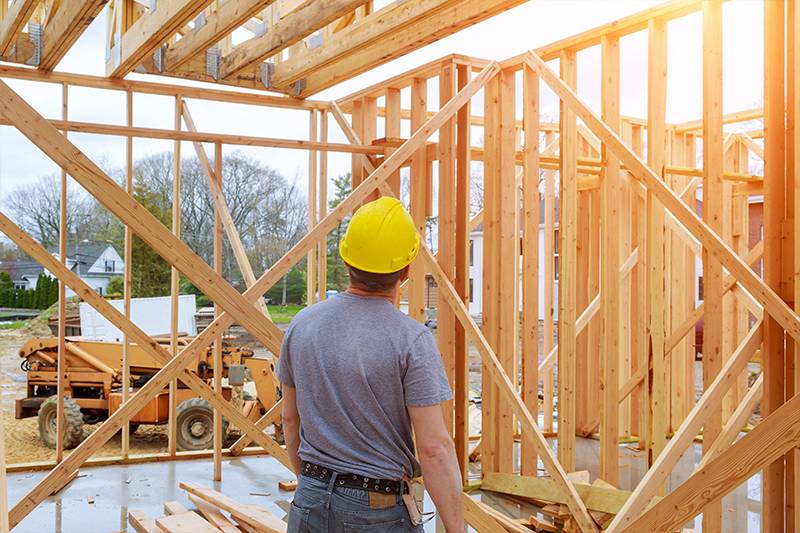
This is the most important inspection for most buyers. It happens after framing is done but before walls are covered.
During this inspection, the inspector sees everything. They check the wood framing, electrical wiring, plumbing pipes, and HVAC ducts. Once drywall goes up, these parts are hidden forever.
The pre-drywall inspection catches major problems while they’re easy to fix. Wrong-sized wood, bad wiring, leaky pipes, all get found now instead of years later.
This inspection typically costs $300 to $500 in Missouri. It’s money well spent.
Final Inspection Before Closing
This happens when the home is finished. It’s just like a regular home inspection. The inspector checks everything visible.
They test appliances, check windows and doors, look at paint and flooring, and test all systems. This ensures everything works before you take ownership.
Schedule this inspection at least a week before closing. This gives the builder time to fix any problems found.
11-Month Warranty Inspection
Most builders offer a one-year warranty. Get an inspection around month 11. This catches any problems before the warranty expires.
Houses settle. New materials dry out. Problems that weren’t visible at closing might show up now. Cracks in drywall, sticking doors, and plumbing leaks often appear in the first year.
The builder must fix these problems if they’re found before the warranty ends. A re-inspection at 11 months protects your investment.
How Many Inspections You Really Need
If you can only afford one inspection, choose the pre-drywall check. This catches the biggest problems.
Two inspections work better. Do pre-drywall and final. This covers hidden systems and finished work.
Three inspections give the best protection. Add the 11-month check to catch settling issues.
Four inspections include foundation, pre-drywall, final, and 11-month. This is ideal for expensive custom homes.
What Is a New Builder’s Inspection?
A new builder’s inspection is a thorough check of a home during or after construction. It’s different from the builder’s own quality control.
Who Does the Inspection
You hire the inspector. They work for you, not the builder. This matters because they have no reason to hide problems.
The inspector should know construction well. They should be licensed in Missouri and have experience with new homes. Ask if they’re certified to inspect new construction.
Some builders require inspectors to have special insurance. Ask the builder about this early. You don’t want to schedule an inspection only to find your inspector can’t access the site.
What Gets Inspected
A new construction inspection covers everything. The inspector checks:
Structural elements like foundation, framing, and roof structure. They look for the right materials and proper installation.
All systems including electrical, plumbing, and HVAC. They verify everything is installed correctly and safely.
Quality of work such as straight walls, level floors, and properly hung doors. They catch cosmetic issues too.
Building code compliance to make sure work meets Missouri requirements. This protects you and future buyers.
Safety issues like missing railings, improper venting, or fire hazards. Safety comes first.
The inspector takes photos of everything. This creates a record you can use with the builder.
How It’s Different from Municipal Inspection
Municipal inspectors check basic safety and code compliance. They make sure the house won’t fall down or catch fire.
Your private inspector goes much further. They look at quality. They check if the work matches what you paid for. They find problems that don’t violate codes but will cost you money later.
Think of it this way: Municipal inspection keeps you safe. Private inspection keeps you from wasting money.
The Inspection Report
After the inspection, you get a detailed report. Good reports include photos, descriptions, and locations of every problem.
The report ranks issues by importance. Major problems need immediate fixing. Minor issues can wait. This helps you talk with the builder about repairs.
You can share this report with your real estate agent and the builder. It becomes your tool for getting problems fixed.
Builder’s Walk-Through vs. Independent Inspection
Most builders offer a walk-through before closing. This is not the same as an independent inspection.
During the builder’s walk-through, you point out cosmetic issues. Scratched floors, paint drips, and loose handles get noted. The builder fixes these.
But the walk-through doesn’t check behind walls or under floors. It doesn’t test systems thoroughly. You need both the walk-through and an independent inspection.
Common Problems Found in New Construction
Inspectors find similar problems in many new Missouri homes. Knowing what to look for helps you understand why inspections matter.
Framing Issues
Wood framing holds up your whole house. Problems here cause big trouble later.
Common framing mistakes include using the wrong size lumber, improper spacing between studs, missing or wrong hardware, and poorly built roof structures.
These problems can cause sagging floors, cracks in walls, and even roof collapse. They’re hard to spot without training but easy to catch during a pre-drywall inspection.
Electrical Problems
Electrical work must be perfect. Mistakes cause fires or shocks.
Inspectors often find wiring not secured properly, wrong wire size for the load, outlets installed backwards, and missing ground wires.
In 2024, electrical problems were found in about 35% of new home inspections nationwide. These issues hide behind walls after drywall goes up.
Plumbing Mistakes
Plumbing problems lead to leaks and water damage. They’re expensive to fix later.
Common issues include pipes not properly supported, wrong connections that will leak, drains not sloped correctly, and missing shut-off valves.
Missouri’s temperature swings make plumbing problems worse. Pipes must be installed right to handle freezing winters and hot summers.
HVAC Installation Errors
Your heating and cooling system is expensive. It needs to work right.
Problems include wrong-sized equipment for the house, ducts not sealed properly, vents in wrong locations, and poor insulation around ducts.
Badly installed HVAC costs more to run. It might not keep your house comfortable. These problems are hard to see once walls are closed.
Improper Ventilation
Houses need to breathe. Without good airflow, moisture builds up. This causes mold and rot.
Inspectors check bathroom fans venting outside, not into attics, proper attic ventilation to prevent heat buildup, and kitchen exhaust that actually works.
Missouri’s humid summers make ventilation extra important. Trapped moisture damages your home fast.
Poor Insulation
Missing or badly installed insulation wastes energy. Your heating and cooling bills go up.
Gaps around windows and doors let air escape. Compressed insulation doesn’t work right. Areas with no insulation at all cost you money every month.
Good inspectors use thermal cameras to find insulation problems. This technology shows exactly where heat escapes.
Siding and Exterior Issues
Your home’s outside protects everything inside. Problems here let water in.
Common exterior issues include improper flashing around windows, siding not installed per instructions, missing or wrong caulking, and grading that slopes toward the house instead of away.
Water damage from exterior problems costs thousands to repair. Prevention through proper installation costs nothing.
Roofing Defects
Even new roofs can have problems. Shingles might be installed wrong. Flashing might be missing.
Roofing mistakes include nails in wrong spots, missing drip edges, poor ventilation, and valleys not properly sealed.
For homes in Jefferson City, Rolla, or Union, strong storms test roofs hard. Proper installation matters.
Benefits of New Construction Inspections
Getting your new home inspected pays off in many ways.
Peace of Mind
Buying a home is stressful. You’re spending a lot of money. An inspection gives you confidence.
Knowing a professional checked everything helps you sleep better. You’re not wondering what problems are hiding. You know your home is built right.
Money Saved
Catching problems early saves thousands of dollars. Repairs before closing cost the builder, not you.
Many buyers save $5,000 to $15,000 through inspection-found repairs. That’s more than enough to pay for several inspections.
Better Quality Home
When builders know you’re getting inspections, they work more carefully. They don’t want problems found.
This creates better quality all around. Your home is built right the first time.
Documentation
Your inspection report documents the home’s condition. If problems appear later, you have proof of what was checked.
This helps with warranty claims. It shows what was right at closing. Any new problems must have happened after.
Leverage for Repairs
Facts give you power. Your inspection report lists every problem clearly.
The builder can’t argue. The problems are photographed and documented. Most fix everything without fighting.
Education
Walking through with your inspector teaches you about your home. You learn where systems are and how they work.
This knowledge helps you maintain your home better. You know what to watch for and when to call for help.
Cost of New Construction Inspections in Missouri
Understanding inspection costs helps you budget correctly.
Single Inspection Costs
A standard new construction inspection in Missouri costs $300 to $500. The price depends on home size and location.
Larger homes cost more to inspect. They take longer to check thoroughly. A 1,500 square foot home might cost $325. A 3,500 square foot home could run $500.
Location matters too. Inspections in St. Louis cost more than in smaller Missouri towns. The average is about $375 to $425 across most of Mid-Missouri.
Multiple Inspection Packages
Many inspectors offer package deals for multiple inspections. You might pay $1,500 to $2,500 for foundation, pre-drywall, final, and 11-month inspections together.
This saves money compared to booking each separately. It also builds a relationship with one inspector who knows your home.
Specialized Testing
Some inspections need special equipment. These cost extra.
Radon testing adds $100 to $200. This checks for dangerous gas that causes cancer.
Mold testing costs $200 to $400. New homes can develop mold from construction moisture.
Well water testing runs $100 to $300 for rural properties.
Who Pays for Inspections
Usually, buyers pay for inspections. This is part of your due diligence in buying the home.
Some builders offer to pay for the final inspection. This can be part of your purchase agreement. Always use an inspector you trust, even if the builder pays.
Inspection costs are worth it. They’re small compared to repair costs you avoid.
Ways to Save Money
Shop around for quotes from different inspectors. Prices vary between companies.
Bundle multiple inspections together. Package deals save money.
Some inspectors offer discounts for first-time buyers or military families. Ask about available discounts.
Timing Your New Construction Inspection
When you schedule inspections matters.
Foundation Stage
If possible, schedule this before concrete is poured. The inspector can see soil conditions and proper preparation.
After pouring, the inspector checks for cracks, proper curing, and correct elevation. This inspection needs to happen within a few days of foundation work.
Pre-Drywall Stage
Time this inspection carefully. It must happen after all rough-in work is complete but before drywall goes up.
Tell your builder you want a pre-drywall inspection. Include this in your purchase contract. Schedule it as soon as framing, electrical, plumbing, and HVAC rough-ins are done.
Don’t let the builder rush you. If they start hanging drywall before your inspection, they’re hiding work. Good builders welcome inspections.
Before Closing
Schedule your final inspection one to two weeks before closing. This gives time to fix any problems found.
The home should be completely finished. All fixtures installed, paint done, floors finished. Everything ready for you to move in.
If the builder is still working, wait. You can’t properly inspect an unfinished home.
11-Month Warranty Check
Mark your calendar for month 10 or 11 after closing. Schedule the inspection early enough that the builder can fix problems before the warranty expires.
Most one-year warranties cover workmanship and materials. Structural warranties last longer. Know what your warranty covers.
What to Expect During the Inspection
Understanding the inspection process helps you prepare.
How Long It Takes
A pre-drywall inspection takes 2 to 3 hours for a typical home. The inspector walks through everything exposed.
Final inspections take 2 to 4 hours. Larger homes take longer. Complex systems need more time to check.
Plan to attend the inspection. Walking through with the inspector helps you learn about your home.
What the Inspector Does
The inspector examines every visible and accessible part of the home. They take photos and notes.
They test systems. Light switches get flipped. Water runs. HVAC systems start up. Everything gets checked.
Measurements get taken. Slopes get verified. Safety features get confirmed. Nothing is assumed to be right.
Your Role During Inspection
Ask questions. The inspector is there to help you understand the home.
Take notes. You might not remember everything later. Write down important points.
Take your own photos. This gives you a record to refer back to.
Don’t distract the inspector too much. Let them work. Save detailed questions for the end.
After the Inspection
You get a written report within 24 to 48 hours. Good reports include photos showing every issue.
Read the report carefully. Note major problems that need immediate fixing. Mark minor issues you can live with.
Share the report with your real estate agent. They help you decide what to ask the builder to fix.
Working with the Builder
Present the report to your builder professionally. Most builders want to fix problems.
Focus on safety issues and code violations first. Then address quality concerns.
Be reasonable. Don’t expect perfection. But do expect proper workmanship.
Get repair timelines in writing. Schedule a re-inspection after fixes are complete.
Special Considerations for Missouri Homes
Missouri’s climate and weather create unique challenges for new construction.
Weather and Building
Missouri sees all four seasons. Hot, humid summers and cold, icy winters test homes hard.
Construction quality matters more here than in mild climates. Proper insulation keeps you comfortable year-round.
Weather delays construction. Rain and snow slow work. This can lead to rushed jobs when builders try to catch up.
Moisture Problems
Missouri’s humidity causes moisture issues. New construction needs good vapor barriers and ventilation.
Inspectors check for moisture traps. These are spots where water can collect and cause rot or mold.
Proper drainage around the foundation is critical. Missouri gets about 40 inches of rain yearly. Water must flow away from your home.
Storm Damage Risk
Missouri experiences severe weather. Tornadoes, hail, and high winds damage homes.
New construction should include impact-resistant materials where possible. Proper roof installation and strong connections matter.
Ask your inspector about wind resistance. Strong storms test construction quality fast.
Regional Building Practices
Different parts of Missouri have different building traditions. What works in St. Louis might differ from rural areas.
Local inspectors know regional practices. They spot work that doesn’t match local norms.
For homes in Cuba, Farmington, St. Clair, or St. James, local expertise matters.
Choosing the Right Inspector
Not all inspectors are the same. Choose carefully.
Look for Experience
Find an inspector who regularly checks new construction. This is different from inspecting older homes.
Ask how many new construction inspections they do each year. More experience means better problem spotting.
Check Certifications
Missouri requires home inspectors to be licensed. Verify your inspector’s license is current.
Look for additional certifications. Some inspectors specialize in new construction. Others have building backgrounds.
Read Reviews
Check online reviews from past clients. Look for comments about thoroughness and communication.
Ask for references. Talk to people who used the inspector. Were they happy with the service?
Understand Their Process
Ask what the inspection includes. How long will it take? What gets checked?
Make sure they provide a detailed written report with photos. This documentation is important.
Insurance and Qualifications
Verify the inspector carries insurance. This protects you if they miss something major.
Some builders require special insurance levels. Confirm your inspector meets builder requirements.
Ask About Tools
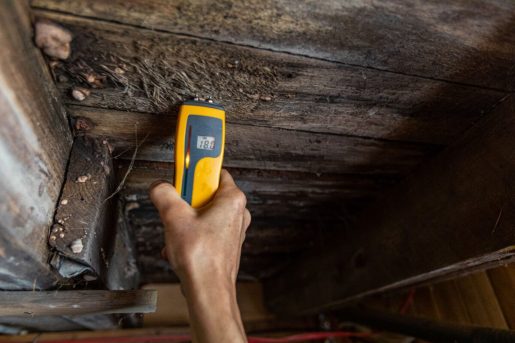
Modern inspectors use special equipment. Thermal cameras find insulation problems. Moisture meters detect hidden leaks.
Ask what tools they use. Better equipment finds more problems.
Other Inspection Services to Consider
Beyond the basic inspection, other checks might help.
Termite Inspection
Even new homes can have termite problems. Wood stored on-site might attract them. Nearby trees might harbor colonies.
A WDO termite inspection checks for active infestations and conditions that attract termites.
Septic System Check
New rural homes often have septic systems. These need proper installation and testing.
A septic system inspection ensures everything works correctly before you move in.
Comprehensive Property Review
For complete peace of mind, consider full Missouri home inspection services that cover every aspect of your new property.
Understanding Your Rights
Know what you can demand from your builder.
Contract Language
Your purchase contract should include inspection contingencies. This lets you back out or demand repairs if major problems are found.
Read your contract carefully. Understand deadlines for inspections and repair requests.
Builder Warranties
Most new homes come with warranties. Understand what’s covered and for how long.
Structural issues usually have 10-year coverage. Systems might have 2-year warranties. Cosmetic items often have just 1 year.
Building Codes
Builders must follow Missouri building codes. Your inspector notes code violations.
Builders must fix code violations. There’s no negotiating this. It must be done right.
Your Negotiating Power
Inspection findings give you leverage. You can ask for repairs, price reductions, or credits at closing.
Most builders prefer fixing problems to reducing prices. They want happy customers and good reviews.
When to Walk Away
Sometimes an inspection reveals too many problems. If the builder won’t fix major issues, you might need to cancel.
Your contract should protect you here. Inspection contingencies let you exit without losing your deposit.
Final Thoughts
New construction needs inspection just as much as older homes. Brand new doesn’t mean problem-free. Builders make mistakes. Workers rush jobs. Problems hide behind finished walls.
Getting inspections at key stages protects your investment. Pre-drywall checks catch hidden issues. Final inspections verify quality. Warranty inspections protect you for the full first year.
The cost of inspections is small compared to repairs you avoid. Most buyers save thousands through inspection-found fixes. You gain peace of mind knowing your home is built right.
Choose experienced inspectors who know new construction. Share reports with your builder promptly. Focus on safety and quality issues. Get everything in writing.
Your home is likely your biggest purchase. Don’t skip inspections to save a few hundred dollars. The money you spend on inspections pays back many times over.
Whether you’re building in St. Robert, Owensville, DeSoto, Eureka, or anywhere in Mid-Missouri, professional inspection services protect your investment and give you confidence in your new home.
Ready to protect your new construction investment? Don’t leave your biggest purchase to chance. Call us at (314) 629-6606 or schedule your new construction inspection online today and ensure your dream home is built right from the ground up.
Uncover Hidden Issues Before It’s Too Late!
Hire ARC Home InspectionsProtect your investment and avoid costly surprises after closing.