Your roof shows it’s failing when you see missing or curling shingles, water stains on ceilings, sagging spots, or shingle bits in your gutters. These warning signs mean your roof needs help right away to stop bigger problems.
Missouri homeowners face tough weather all year. Hot summers, icy winters, strong winds, and hailstorms all beat down on your roof. Knowing the signs of roof trouble can save you thousands of dollars in repairs. This guide will help you spot problems early and know when to call for help.
Why Your Roof Matters in Missouri
Your roof does more than keep rain out. It protects your home from Missouri’s wild weather. When your roof starts failing, it can hurt other parts of your house too.
Missouri gets about 40 inches of rain every year. Add in snow, ice, hail, and strong winds, and your roof works hard to keep you safe. In May 2020, southern Missouri saw over $2.6 billion in storm damage from high winds and hail. These storms can wreck roofs fast.
A good roof keeps your home dry, warm in winter, and cool in summer. When it starts to fail, problems spread quickly. Water can damage walls, ceilings, and even the wood under your roof. Mold can grow. Your heating and cooling bills might go up.
Common Signs Your Roof Is Failing
Missing or Damaged Shingles
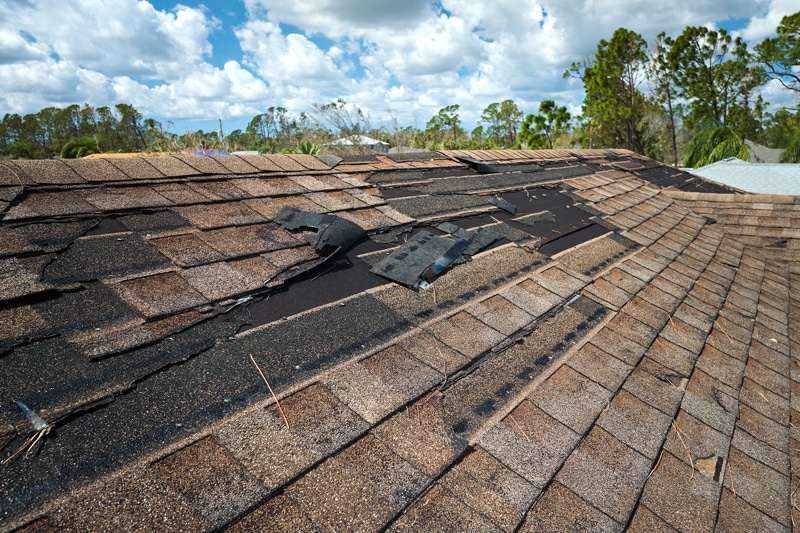
Walk outside and look at your roof. Do you see bare spots where shingles should be? Missing shingles leave your roof open to water damage.
Shingles can also crack, curl, or break. When shingles curl up at the edges or lose their flat shape, they can’t protect your home anymore. Wind gets under curled shingles and tears them off.
After big storms in Missouri, check your roof. Strong winds can rip shingles right off. If hail is quarter-sized or bigger, you should get your roof checked. Even small hail with strong winds can cause damage.
Shingle Granules in Gutters
Look in your gutters and downspouts. Do you see small, sand-like bits? Those are shingle granules. They protect your shingles from sun damage.
When shingles get old, they lose these granules. If you see lots of granules washing away, your shingles are wearing out. New roofs lose a few granules at first, but older roofs lose way more.
Too many missing granules mean your shingles can’t block the sun’s rays anymore. The shingles will break down faster.
Water Stains on Ceilings and Walls
Go inside and look up. Do you see brown or yellow stains on your ceiling? These stains mean water is getting through your roof.
Water stains often show up after rain or when snow melts. Even small stains are bad news. Water doesn’t always drip right where it enters. It can travel along beams before dripping inside.
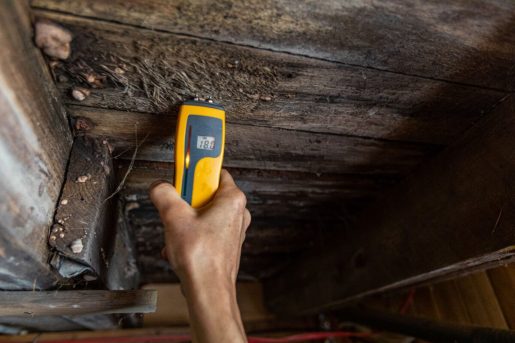
Check your attic too. Look for dark spots, wet insulation, or damp wood. These are sure signs of a roof leak. Don’t wait to fix leaks. Water damage spreads fast and can cost a lot to repair.
Sagging Roof Areas
Stand back and look at your roof’s shape. Does it look bumpy or saggy in spots? A sagging roof is a serious problem.
Sagging happens when the roof structure gets weak. This can be from water damage, too much weight, or poor building. In Missouri, heavy snow and ice can make roofs sag in winter.
A sagging roof might collapse. If you see any sagging, call a professional right away. Don’t walk on a sagging roof. It’s not safe.
Daylight Through Roof Boards
Go up to your attic during the day. Turn off all lights. Can you see sunlight coming through the roof? If yes, you have holes or gaps in your roof.
Light coming through means water can get in too. Check for wet spots near the light holes. Even tiny holes let moisture inside.
This problem needs quick attention. Holes let in rain, snow, and cold air. They also let heat escape, which raises your energy bills.
Damaged or Missing Flashing
Flashing is the metal around chimneys, vents, and roof valleys. It stops water from getting in at these spots.
Check if the flashing looks bent, rusted, or loose. Gaps around flashing are bad. Water will seep through any opening.
Flashing around chimneys can rust through, especially at 90-degree bends. If your flashing is old or damaged, water will find its way inside.
Moss, Algae, or Mold Growth
See dark streaks or green patches on your roof? That’s probably algae or moss. Missouri’s humid summers help these grow fast.
While moss might look nice, it holds moisture against your shingles. This moisture breaks down the shingles over time. Moss can also get under shingles and lift them up.
Algae won’t hurt your roof as much, but it’s still a sign your roof is holding too much moisture. If you see lots of growth, your roof might not be draining water well.
Higher Energy Bills
Have your heating or cooling bills gone up for no reason? Your roof might be the problem.
A failing roof lets air escape. In summer, cool air leaks out. In winter, warm air does too. Your HVAC system works harder to keep your home comfortable.
Poor roof ventilation also causes problems. Hot air gets trapped in your attic, making your house hotter. This forces your air conditioner to run more.
Shingles That Look Old or Worn
How do your shingles look? Are they faded, brittle, or cracked? These are signs of age.
Touch a shingle carefully. Does it feel soft or crumbly? Old shingles lose their strength. They can’t handle wind or hail as well.
Color matters too. If your roof looks much lighter than it used to, the protective coating is wearing off. Faded shingles don’t protect as well.
What Is the Average Lifespan of a Roof?
Most roofs in Missouri last between 15 and 30 years. The exact time depends on what your roof is made of and how well you take care of it.
Asphalt Shingles
Asphalt shingles are the most common type in Missouri. Basic 3-tab shingles last 15 to 20 years, while higher-quality architectural shingles can reach 25 to 30 years.
Missouri’s tough weather can shorten this time. In southwest Missouri, with good installation and care, roofs generally last 18 to 22 years. Hail damage and extreme heat wear shingles down faster.
Getting abuyers inspectionhelps you know how much life your roof has left before buying a home.
Metal Roofing
Metal roofs last much longer than asphalt. Metal roofs typically last 40 to 70 years, with premium materials like copper lasting over 100 years.
Metal handles Missouri weather better. It sheds snow and ice easily. It doesn’t rot or grow mold. Metal roofs cost more at first but save money over time.
Other Roofing Materials
Tile and slate roofs can last 50 to 100 years or more. These materials are very strong but heavy and expensive.
Wood shakes last 20 to 40 years in Missouri. They need more care than other materials because of our humid climate.
What Makes Roofs Wear Out Faster in Missouri
Several things make Missouri roofs age faster:
Weather extremes:Hot summers and cold winters cause shingles to expand and contract. This movement wears them out.
Hail and wind:Missouri sees frequent severe storms. Hail breaks shingles and wind tears them off.
Poor ventilation:When your attic gets too hot, it bakes your roof from below. Good airflow helps roofs last longer.
Lack of maintenance:Roofs that never get checked fail sooner. Small problems turn into big ones.
Apre-listing inspectionbefore selling your home can show roof condition to buyers.
How Much Does It Cost to Check a Roof?
The cost to inspect a roof in Missouri changes based on where you live and what type of roof you have.
Free Inspections
Many roofing companies offer free roof checks. Some contractors provide free inspections as part of their estimate process.
Be careful with free inspections from storm chasers. These companies show up after hail or wind damage. Some are honest, but others might exaggerate damage to sell you a new roof.
Use local companies you can trust. Free inspections work well if you’re getting repair quotes.
Paid Professional Inspections
Professional roof inspections typically range from $100 to $400. The price depends on your roof size, how steep it is, and what the inspector checks.
A paid inspection gives you an unbiased report. The inspector doesn’t sell roofing, so they won’t push unnecessary repairs.
Forhome inspection services in Jefferson Cityor other Mid-Missouri areas, professional inspections include roof evaluations along with other home systems.
What Inspectors Look For
A good roof inspection covers everything. The inspector checks:
- Shingle condition and missing pieces
- Flashing around chimneys and vents
- Gutters and drainage
- Attic ventilation
- Signs of water damage or leaks
- Structural problems like sagging
A standard roof inspection usually takes about 20 minutes. The inspector might take photos to show you problem areas.
When to Get Your Roof Inspected
You should have your roof checked at least once a year. The best times are spring and fall.
Also get inspections after:
- Major storms with hail or high winds
- Heavy snowfall
- Before buying or selling a home
- When you notice any warning signs
For homes inRolla,Union, orFarmington, regular inspections catch problems before they get worse.
What to Do When You Spot Roof Problems
Finding roof damage can be scary. But knowing what to do next helps you fix problems before they grow.
Document the Damage
Take photos of any problems you see. Get pictures from different angles. These photos help with insurance claims.
Write down when you first noticed the problem. Note if it happened after a storm. This timeline helps later.
Call a Professional
Don’t try to fix serious roof problems yourself. Walking on roofs is dangerous. You could fall or make the damage worse.
Call a licensed roofer or home inspector. They have the tools and training to check your roof safely.
Services likere-inspectionscan verify repairs were done correctly after work is complete.
Check Your Insurance
If storm damage caused the problem, call your insurance company. Many Missouri homeowners have coverage for hail and wind damage.
Homes with roofs over 20 years old are three times more likely to file wind or hail claims. Don’t wait to file. Some policies have time limits.
Your insurance might send an adjuster to look at your roof. Having your own inspection report helps prove the damage.
Get Multiple Quotes
For repairs or replacement, get at least three quotes. Compare what each company offers.
Ask questions:
- How long will repairs take?
- What warranty do you offer?
- Are you licensed and insured?
- Can I see references from other jobs?
Choose a local company with good reviews. Avoid contractors who ask for full payment upfront.
Consider Temporary Fixes
While waiting for repairs, you might need temporary protection. Tarps can cover damaged areas during rain.
Only do temporary fixes if it’s safe. Don’t climb on your roof in bad weather.
Preventing Roof Failure
You can help your roof last longer with simple care.
Clean Your Gutters
Clogged gutters make water back up under your roof. Clean gutters at least twice a year. Remove leaves, twigs, and debris.
Good gutters move water away from your house. This protects your roof and foundation.
Trim Trees
Tree branches scraping your roof wear down shingles. They also drop leaves that clog gutters.
Trim branches that hang over your roof. This also stops animals from climbing onto your roof.
Schedule Regular Inspections
Yearly inspections catch small problems early. Small repairs cost much less than big ones.
For comprehensive property checks, abuyers inspectionorpre-drywall inspectionduring construction helps prevent future issues.
Fix Small Problems Fast
Found a loose shingle? Get it fixed now. Small issues turn into leaks if ignored.
Replacing a few shingles costs little. Replacing water-damaged wood costs a lot more.
Improve Ventilation
Make sure your attic has good airflow. Hot, trapped air shortens roof life.
Proper ventilation keeps your attic cooler in summer. This protects shingles from heat damage.
Other Common Roof Problems
Beyond the main warning signs, watch for these issues too.
Ice Dams
Ice dams form when snow melts and refreezes at roof edges. The ice blocks water, causing it to back up under shingles.
Better attic insulation helps prevent ice dams. So does keeping your attic cold in winter.
Vent Boot Damage
Plumbing vents stick through your roof. Rubber boots seal around these pipes. These boots crack over time.
Cracked vent boots let water drip inside. Check them during inspections.
Poor Installation
Some roof problems come from bad installation. Nails in wrong spots, missing underlayment, or improper flashing all cause early failure.
This is why choosing a good contractor matters. Poor work means your roof won’t last as long.
Animal Damage
Squirrels, raccoons, and birds can damage roofs. They might chew holes or nest under shingles.
If you hear animals in your attic, check for roof damage. They probably found a way inside.
When to Replace Instead of Repair
Sometimes repairs aren’t enough. Here’s when you need a new roof:
Age
If your roof is over 20 years old and having multiple problems, replacement makes more sense than constant repairs.
Widespread Damage
When more than 25% of your shingles are damaged, replacing the whole roof is usually cheaper.
Repeated Leaks
If you’ve fixed leaks but they keep coming back, the problem might be throughout your roof.
Structural Issues
Sagging or rotted roof deck needs a full replacement. You can’t just patch structural problems.
Home Sale
If you’re selling your home, a new roof increases value. Many buyers won’t accept a house needing major roof work.
Apre-listing inspectionshows what buyers will find, giving you time to make repairs.
Special Considerations for Missouri Roofs
Missouri’s location makes roofing unique.
Tornado and Hail Risk
Missouri experiences some of the highest concentrations of tornadoes in severe weather events. This means your roof faces extreme risks.
Consider impact-resistant shingles. They cost more but handle hail better. Some insurance companies give discounts for these shingles.
Humidity and Moisture
Missouri summers are humid. This moisture can cause mold and algae growth on roofs.
Choose shingles with algae protection. Make sure your attic ventilates well to reduce moisture buildup.
Temperature Swings
Missouri sees big temperature changes. Cold winters and hot summers make shingles expand and contract.
Quality shingles handle these changes better. Cheap shingles crack faster under stress.
Additional Inspection Services
While checking your roof, consider other inspections too.
Radon Testing
Radon is a natural gas that can get in homes. It’s common in Missouri.Radon testingprotects your family’s health.
Mold Testing
Roof leaks often lead to mold. If you’ve had water damage,mold testingfinds hidden problems.
Termite Inspections
Termites love damp wood. Roof leaks create perfect conditions for them.WDO termite inspectionscatch infestations early.
Well and Septic
For rural Missouri homes,well water testingandseptic system inspectionscomplete your property evaluation.
Finding Help Across Missouri
No matter where you live in Missouri, professional help is available.
ARC Home Inspections serves many Mid-Missouri communities. Whether you’re inCuba,St. James,St. Clair,St. Robert,Owensville,DeSoto, orEureka, expert inspections are within reach.
Final Thoughts
Your roof protects everything you own. Knowing the signs of a failing roof helps you act fast. Missing shingles, water stains, sagging areas, and granules in gutters all warn you of trouble.
Missouri’s weather is tough on roofs. Regular inspections and quick repairs keep small problems from becoming big ones. Most roofs last 15 to 30 years, depending on material and care.
Getting your roof checked costs between $100 and $400, or nothing if you use a free inspection. This small investment can save thousands in damage.
Don’t wait until water drips on your head. Check your roof now. Look for warning signs. Call professionals when you need help.
Your home deserves a strong, healthy roof. Take care of it, and it will take care of you for years to come.
Ready to protect your biggest investment? Call us at (314) 629-6606 orcontact us on
Uncover Hidden Issues Before It’s Too Late!
Hire ARC Home InspectionsProtect your investment and avoid costly surprises after closing.