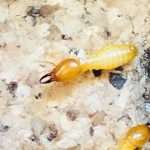

Most homeowners miss the signs of termite damage because termites work silently inside walls, under floors, and behind surfaces where you cannot see them. According to Orkin, termites damage approximately 600,000 homes in the United States every year, and U.S. residents spend an estimated $5 billion annually to control termites and repair the damage they cause. The average homeowner who discovers termite damage spends about $3,000 on repairs, according to Angi. The problem is that termite activity can go undetected for 3 to 8 years before visible signs appear, by which point the damage is often extensive. This article covers the hidden signs of termite damage that most homeowners overlook, how to tell if you have an active infestation, what termite damage costs, and why professional inspections are the best way to catch problems early.
Why Do Most Homeowners Miss Termite Damage?
Most homeowners miss termite damage because termites eat wood from the inside out. The outside surface of a wall, baseboard, or beam can look perfectly normal while the wood behind it has been hollowed out by an active colony. According to Terminix, termites consume wood from the inside, leaving only a thin veneer of paint or timber on the surface. By the time damage becomes visible on the outside, the colony has often been feeding for years.
Termites also stay hidden on purpose. Subterranean termites, which are the most common type in Missouri, live underground and travel through mud tubes to reach food sources inside your home. They avoid light and open air. According to Orkin, termite colonies can take more than five years to grow large enough to cause noticeable damage. This long, silent period is why annual inspections are so important for homeowners in Cuba, Missouri and across the Mid-Missouri region.
This article is written by Alan Redburn, CPI, a Certified Professional Inspector who provides wood-destroying organism inspections throughout Mid-Missouri.
What Are Mud Tubes and Why Are They a Warning Sign?
Mud tubes are one of the most reliable warning signs of a subterranean termite infestation. They are pencil-width tunnels made of soil, saliva, and wood particles that termites build along foundation walls, concrete slabs, and other surfaces. According to Orkin, subterranean termites build these tubes to travel safely between their underground colony and the wood in your home while staying protected from open air and predators.
Most homeowners miss mud tubes because they look like thin lines of dried mud or dirt splashed up from the ground. They blend in with soil, concrete, and foundation walls. According to Orkin, these tubes can extend up to 15 feet above ground when built over concrete or metal surfaces. You are most likely to find them on exterior foundation walls, in crawl spaces, on basement walls, along pipes and utility lines, and around porch or deck supports.
If you find a mud tube, break open a small section and check for live termites inside. According to Mississippi State University Extension, if the tube is repaired within a few days, the infestation is active. Even if the tube appears dry and empty, it still indicates that termites have been present and could return. Homes in Rolla, Jefferson City, and Sullivan that have basements, crawl spaces, or slab foundations should be checked for mud tubes at least once a year. A wood-destroying organism inspection is the most thorough way to check for these signs.
What Does Hollow-Sounding Wood Mean?
Hollow-sounding wood is a strong indicator of termite damage. When termites feed on wood from the inside out, they leave the outer surface intact while hollowing out the interior. According to Orkin, you can detect this by tapping on baseboards, door frames, window trim, or other wooden structures. If the wood sounds hollow or papery instead of solid, termites may have been feeding inside it.
Most homeowners never think to tap on the wood in their homes. They assume that if the surface looks fine, the wood is fine. But termite-damaged wood can look completely normal on the outside while being almost entirely consumed on the inside. According to Ehrlich Pest Control, termite-damaged wood is usually hollowed out in long, winding patterns called galleries, and damaged areas often break apart into thin layers when pressed.
You should check baseboards, door frames, window sills, support beams, and any wood that is close to the ground or in contact with soil. In Mid-Missouri homes, crawl space floor joists and sill plates are especially vulnerable because they are close to the soil where subterranean termites live. Homes in Cuba, St. James, and Owensville with older construction should be checked regularly for hollow wood, especially in areas that are dark, damp, and rarely disturbed.
What Are Termite Droppings and What Do They Look Like?
Termite droppings, also called frass, are tiny pellets that drywood termites push out of their tunnels as they feed. According to Orkin, frass looks like small piles of sawdust, sand, or coffee grounds that accumulate near infested wood. Most homeowners sweep up frass without realizing what it is because it looks so similar to ordinary household dust or debris.
The key difference is that frass reappears in the same spot after you clean it up. According to HiTech Termite Control, if you sweep away the pile and it comes back the next day, it is almost certainly termite droppings. Drywood termites bore tiny exit holes in wood to push their droppings out, so you may also notice pinhole-sized openings near the pile.
Subterranean termites, which are more common in Missouri than drywood termites, handle their droppings differently. They use their fecal material to build their mud tubes rather than leaving it in visible piles. This means subterranean termite infestations often leave no visible frass at all, which makes them even harder to detect without a professional inspection. If you see any type of wood-colored pellets near baseboards, window frames, or wooden furniture in your home, schedule an inspection immediately.
Can Termites Cause Doors and Windows to Stick?
Yes, termites can cause doors and windows to stick. As termites eat through wooden door frames and window frames, they weaken the wood and cause it to warp. According to Terminix, tight-fitting doors and windows are a sign that termites may be damaging the wood from the inside. Most homeowners blame humidity, heat, or seasonal changes when a door or window suddenly becomes hard to open or close.
According to HiTech Termite Control, seasoned termite inspectors always ask whether sticking doors and windows could be termite damage rather than weather-related swelling. Termites also produce moisture as they digest wood, which adds to the warping effect. If you notice that doors or windows in your home are suddenly sticking and you cannot find an obvious cause, termite damage should be considered.
This sign is especially easy to miss in Mid-Missouri, where seasonal temperature and humidity changes are normal and homeowners are used to minor door and window issues. But if the sticking gets worse over time or affects multiple doors and windows, it may point to an active infestation. Homes in Jefferson City, Farmington, and DeSoto should not ignore this warning sign, especially in older homes with wood-framed windows and doors.
What Does Bubbling or Peeling Paint Mean?
Bubbling or peeling paint on walls, ceilings, or trim can be a sign of termite activity beneath the surface. According to Orkin and Terminix, termites produce moisture as they feed on wood, and this moisture can cause paint to bubble, crack, or peel from the other side. Most homeowners assume that paint damage is caused by water leaks or humidity problems, not termites.
According to HiTech Termite Control, termite inspectors know that bubbling paint that does not have an obvious moisture source nearby is a potential sign of hidden termite activity. Termites can also create visible trails or sunken lines beneath paint or wallpaper as they tunnel close to the surface. According to Mississippi State University Extension, termites can eat the cardboard covering of drywall without disturbing the thin coat of paint on the surface.
If you see paint damage that does not match a known water leak or moisture issue, it is worth investigating further. This is one of the most commonly missed signs of termite damage because homeowners almost never associate peeling paint with insects. A professional inspector with a moisture meter and thermal imaging camera can check behind walls for evidence of termite activity without opening them up.
What Do Discarded Termite Wings Mean?
Discarded termite wings near windows, doors, or light sources are a sign that reproductive termites, called swarmers, have emerged from a mature colony. According to Orkin, swarmers leave the nest in spring or fall to mate and start new colonies. After landing, they shed their wings, leaving small piles of translucent wings that resemble fish scales.
Finding discarded wings inside your home is a strong indicator that there is a termite colony either inside or very close to the structure. According to Mississippi State University Extension, finding termite swarmers inside a building is a sure sign of an active infestation that needs professional treatment. It takes several years for a colony to mature enough to produce swarmers, so the presence of wings means the colony has been established for some time.
Most homeowners mistake discarded wings for debris from flying ants or other insects. The difference is that termite wings are all the same size, while ant wings have one pair that is longer than the other. Termite wings are also more fragile and translucent. If you find piles of tiny wings on windowsills or near exterior doors in your home in Cuba, Rolla, or anywhere in Mid-Missouri, call for a professional termite inspection right away.
Can Termites Damage Your Home Without Visible Signs?
Yes, termites can cause significant damage to your home without leaving any visible signs on the surface. According to the National Pest Management Association (NPMA), termites are often called “silent destroyers” because they can feed on a home for years before any evidence appears. Subterranean termites are especially difficult to detect because they stay underground and inside wood, avoiding exposure to light and air.
According to ZipDo, approximately 5% of home inspections detect termite damage. According to the Porch homebuyer survey, 86% of all inspections find at least one issue, but termite damage is one of the problems that standard visual inspections are least likely to catch. Termites can eat through floor joists, sill plates, wall studs, and roof sheathing without ever breaking through to a visible surface.
This is why annual professional termite inspections are so important. A trained inspector knows where to look, what tools to use, and how to identify the subtle clues that homeowners miss. In Mid-Missouri, where subterranean termites are the primary species, inspectors check crawl spaces, basements, foundation walls, and any wood-to-soil contact points. Pairing a termite inspection with a buyer’s home inspection gives first-time buyers the most complete view of a property’s condition.
How Much Does Termite Damage Cost to Repair?
Termite damage repair costs depend on the size and severity of the infestation and the type of repairs needed. According to Angi, the average cost of termite damage repair is $3,000, with most projects ranging from $1,000 to $10,000 or more. According to Orkin, U.S. residents spend an estimated $5 billion each year on termite control and damage repair combined. Formosan and subterranean termites account for 90% of all termite damage nationwide.
Structural beam replacement can cost $2,000 to $10,000 depending on the scope. Floor joist repair runs $1,000 to $5,000 or more. Replacing damaged subfloor or drywall adds further costs. According to Terminix, many local homes experience damage exceeding $7,500 before termites are discovered. In severe cases, the total cost including treatment, repair, and temporary relocation can reach tens of thousands of dollars.
Most homeowners insurance policies do not cover termite damage because it is classified as preventable through regular maintenance and inspections. This means the full cost of treatment and repair falls on the homeowner. Annual termite inspections, which typically cost $75 to $150, are a small investment compared to the potential cost of an undetected infestation. Learning whether a termite inspection is worth it helps homeowners understand the financial protection it provides.
Does Termite Damage Affect Home Sales?
Yes, termite damage significantly affects home sales. According to economic impact data, homes with a history of termite damage typically see a 20% decrease in property value. Buyers are cautious about properties with past infestations, even if the damage has been repaired and the colony treated. In competitive real estate markets, a history of termite damage can cause a home to sit on the market much longer than comparable properties without pest issues.
According to ZipDo, buyers are 42% more likely to back out of a purchase when a home inspection uncovers significant issues, and termite damage is one of the most alarming findings a report can contain. According to the Porch homebuyer survey, 46% of buyers use inspection findings to negotiate a lower price, saving an average of $14,000.
Sellers who get a pre-listing inspection that includes a termite check can address problems before they derail a sale. Having documentation that the home is termite-free or that damage has been professionally repaired and treated builds buyer confidence. In Cuba, Rolla, and Jefferson City, where many homes are built with wood framing over basements or crawl spaces, a clean termite report is a strong selling point.
How Can You Prevent Termite Damage?
You can prevent termite damage by eliminating moisture, reducing wood-to-soil contact, and scheduling annual professional inspections. According to the CDC and multiple pest control organizations, termites are attracted to moisture. Fixing leaky faucets, repairing roof leaks, improving drainage around the foundation, and keeping crawl spaces dry all reduce the conditions that attract termites to your home.
Keep firewood, lumber, mulch, and other wood materials at least 20 feet from the foundation. Remove dead stumps and tree roots from the yard. Make sure gutters and downspouts direct water away from the house. Seal cracks in the foundation to eliminate entry points. Ensure that no wood on the exterior of the home is in direct contact with the soil.
The most effective prevention measure is an annual termite inspection by a licensed professional. According to Catseye Pest Control, scheduling an annual appointment with a pest professional significantly decreases the chances of a serious termite problem or expensive repairs from an undiscovered infestation. Homeowners in Sullivan, Washington, St. Clair, and across Mid-Missouri should make termite inspections part of their regular home maintenance routine. A buyer’s inspection that includes a WDO check is also essential when purchasing any property in the region.
Comparison Table: Signs of Termite Damage Homeowners Miss
| Sign | What It Looks Like | What Homeowners Usually Think | What It Actually Means |
|---|---|---|---|
| Mud tubes | Pencil-width dirt lines on foundation walls | Dirt splashed up by rain | Active subterranean termite highway |
| Hollow-sounding wood | Wood sounds papery or empty when tapped | Normal aging of wood | Interior has been eaten by termites |
| Frass (droppings) | Tiny pellets like sawdust or coffee grounds | Ordinary dust or debris | Drywood termites actively feeding |
| Sticking doors/windows | Frames suddenly hard to open or close | Humidity or seasonal swelling | Termite damage warping the frame |
| Bubbling/peeling paint | Paint blisters or peels without water source | Moisture or old paint | Termites producing moisture behind surface |
| Discarded wings | Piles of tiny translucent wings near windows | Flying ants or other insects | Mature termite colony produced swarmers |
| Sagging floors | Floors feel spongy or uneven | Settling or moisture damage | Termites weakening joists and subfloor |
| Sunken lines in drywall | Faint trails or grooves under paint | Settling cracks or bad drywall tape | Termite galleries just beneath the surface |
Sources: Orkin; Terminix; HiTech Termite Control; Mississippi State University Extension; Ehrlich Pest Control; Angi.
Frequently Asked Questions
How Often Should You Have a Termite Inspection in Mid-Missouri?
You should have a termite inspection at least once a year in Mid-Missouri. Subterranean termites are the most common type in the region, and they can establish colonies and begin feeding without any visible signs. Annual inspections catch infestations early before they cause thousands of dollars in damage. Homes in Cuba, Rolla, and Jefferson City with basements, crawl spaces, or wood-to-soil contact points are at the highest risk and should not skip annual checks.
Are Termites Common in Missouri?
Yes, termites are common in Missouri. The state’s warm summers, moderate winters, and abundant moisture create favorable conditions for subterranean termites. According to Orkin’s annual ranking, Kansas City, Missouri consistently appears on the list of most termite-infested cities in the United States. Homes throughout Mid-Missouri, including those in St. James, Owensville, and Lebanon, are at risk and should be inspected regularly.
Can You See Termites With the Naked Eye?
You can see individual termites with the naked eye, but most homeowners never do because termites stay hidden inside wood, underground, and within their mud tubes. Worker termites are small, pale, and avoid light. The most common way to see termites is during a swarm, when winged reproductive termites emerge from the colony in large numbers. If you see swarming insects near your home in spring or fall, check whether they are termites or flying ants and schedule an inspection immediately.
What Is the Difference Between Termite Damage and Wood Rot?
Termite damage and wood rot can look similar on the surface, but the patterns are different. According to Ehrlich Pest Control, termite-damaged wood is hollowed out in long, winding galleries and may contain dried mud inside the tunnels. Wood rot caused by moisture and fungal decay makes wood feel soft, spongy, and crumbly, often with a darker color and musty smell. Sometimes both conditions occur together because termites are attracted to damp, decaying wood. A professional inspector can tell the difference and recommend the right solution.
Should You Get a Termite Inspection Before Buying a Home?
Yes, you should always get a termite inspection before buying a home. According to the NPMA, termites cause over $5 billion in damage to U.S. homes each year, and most homeowners insurance does not cover the cost of repairs. A WDO/termite inspection during the buying process gives you documented proof of the home’s condition and protects you from inheriting a hidden infestation. Buyers in Farmington, St. Robert, Waynesville, and across Mid-Missouri should include this inspection with every purchase.
What Should You Do if You Find Signs of Termites?
If you find signs of termites, do not disturb the area. Do not try to treat the problem yourself with store-bought products. Contact a licensed pest control professional for a full inspection and treatment plan. According to Angi, professional termite extermination typically costs $250 to $1,000 for the average infestation. Early detection and professional treatment prevent far more expensive structural damage down the road. Knowing how to negotiate home inspection repairs helps buyers address termite findings during a real estate transaction.
Final Thoughts
Termites cause billions of dollars in damage every year across the United States, and most homeowners do not know they have a problem until the damage is already severe. The signs are subtle: mud tubes that look like dirt, hollow wood that sounds normal unless you tap on it, tiny pellets that look like dust, paint bubbles that seem like a moisture issue, and sticking doors that feel like seasonal changes. Every one of these signs points to an active or past infestation that needs professional attention.
If you own a home or are buying one in Cuba, Missouri or anywhere across the Mid-Missouri area, ARC Home Inspections provides thorough wood-destroying organism inspections that catch the signs most homeowners miss. Every inspection is performed by Alan Redburn, CPI, using professional-grade tools and decades of knowledge about Mid-Missouri construction and pest conditions. Schedule your termite inspection today and protect your home before hidden damage becomes a costly problem.