Yes, a termite inspection is worth the cost. These tiny pests cause over $5 billion in damage every year across the United States. In Missouri, research shows that 20% of homes have termites by age 20, and that number jumps to 75% by the time homes reach 40 to 50 years old. A $75 to $150 inspection can save you thousands in repair bills and give you peace of mind about your biggest investment.
Why Termite Inspections Matter in Missouri
Termites work quietly behind walls and under floors. You often don’t see them until serious damage has already happened. By the time you notice sagging floors or crumbling wood, the problem has been growing for months or even years.
Missouri’s warm, humid climate creates perfect conditions for Eastern Subterranean Termites, the most common type in the state. These pests build underground colonies that can contain over 100,000 termites. They send out worker termites who search blindly for food sources like the wood in your home.
The Real Cost of Termite Damage
When termites invade a home, the average repair cost ranges from $3,000 to $11,000 per incident in Missouri. Some severe cases can reach much higher amounts. The worst part is that homeowners insurance rarely covers termite damage because insurance companies consider it preventable.
A single termite colony can eat through 5 to 15 feet of a 2×4 board in just one year. Over several years, this damage threatens your home’s structure and safety. Catching termites early through regular inspections saves money and stress.
What Do They Do During a Termite Inspection?
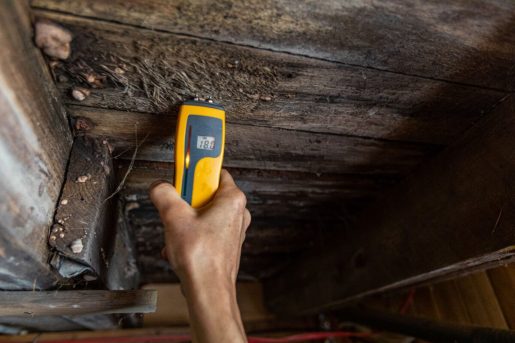
A professionalWDO termite inspectiontakes about one hour for most homes. The inspector looks at both inside and outside areas to find signs of termites and other wood-destroying insects.
Exterior Inspection
The inspector starts outside your home looking for:
- Mud tubes:Pencil-thin dirt tunnels that termites build along foundations and walls to travel from the ground to their food source
- Foundation cracks:Even tiny gaps as small as 1/64 of an inch let termites enter
- Wood-to-soil contact:Areas where wooden structures like deck posts, fence boards, or firewood touch the ground
- Moisture problems:Leaky gutters, poor drainage, and standing water that attract termites
- Dead wood:Tree stumps, logs, and wood debris near your home’s foundation
Your inspector walks around the entire property checking wooden structures like decks, sheds, fences, and gazebos. They look at siding to make sure there’s a gap between it and the soil. They check for wood rot and damaged areas that might hide termite activity.
Interior Inspection
Inside your home, the inspector examines:
Basements and Crawl Spaces:
- Foundation walls for mud tubes
- Floor joists and support beams
- Areas with high moisture levels
- Wooden structures touching soil
Main Living Areas:
- Baseboards and trim work
- Door frames and window sills
- Wall surfaces for bubbling or peeling paint
- Hollow-sounding wood when tapped
Attic Spaces:
- Roof framing and support beams
- Signs of drywood termite droppings
- Exposed wood structures
- Ventilation and moisture issues
Kitchens and Bathrooms:
- Under sinks and around plumbing
- Cabinet bases and wooden counters
- Areas with water damage or leaks
- Flooring near water sources
Utility Areas:
- Around water heaters
- Near HVAC equipment
- Laundry room plumbing
- Garage door frames and trim
Tools and Technology
Modern inspectors use special equipment to find hidden termites:
- Moisture meters:Detect damp areas where termites thrive
- Thermal imaging cameras:Spot temperature differences that indicate termite activity behind walls
- Probing tools:Check wood for hollow spots and weakness
- Flashlights:Examine dark crawl spaces and hidden areas
Some inspectors drill small test holes in walls or floors when they suspect hidden activity. This helps confirm infestations in areas they cannot see directly.
The Inspection Report
After checking your property, the inspector gives you a detailed report. This document includes:
- Photos of problem areas
- Descriptions of termite activity found
- Evidence of past infestations or damage
- Conditions that could lead to future problems
- Treatment recommendations if termites are present
- Areas that need repairs or attention
For real estate transactions, the report includes official documentation that lenders require. This termite letter confirms whether active infestations exist and notes any past treatments.
What Are Signs of Termites in Your House?
Learning to spot termite warning signs helps you catch problems early. Here are the main indicators to watch for in Missouri homes:
Mud Tubes
These are the most obvious sign of subterranean termites. The tubes look like thin lines of dried mud running up foundation walls, along beams, or across concrete. They’re usually about the width of a pencil or drinking straw.
Termites build these protected tunnels to travel between their underground colony and your home’s wood. If you break open a tube and find live termites inside, you have an active infestation.
Discarded Wings
In spring, reproductive termites called swarmers fly out to start new colonies. After finding a spot to settle, they shed their wings. You might see piles of thin, oval-shaped wings near:
- Window sills
- Door frames
- Light fixtures
- Floors near walls
These wings are about twice as long as a termite’s body and all look the same size. Finding them means a colony is starting nearby or already exists in your home.
Termite Droppings
Drywood termites leave behind small piles of waste that look like sawdust or coffee grounds. This material, called frass, appears near:
- Baseboards
- Window frames
- Door jambs
- Wooden furniture
The pellets are hard and gritty with a brown or black color. Unlike sawdust from wood projects, frass has a distinctive appearance with six concave sides on each pellet.
Hollow-Sounding Wood
Termites eat wood from the inside out. They leave a thin outer shell that looks normal but hides the damage beneath. Tap on wooden surfaces around your home with a screwdriver handle. If the wood sounds hollow or feels soft, termites might be inside.
Check these areas carefully:
- Door frames and window sills
- Baseboards and crown molding
- Floor joists in basements
- Deck posts and supports
Damaged or Warped Wood
As termites eat through wood, it becomes weak and brittle. You might notice:
- Blistered or bubbling surfaces on doors and frames
- Wood that crumbles when touched
- Floors that feel spongy or weak
- Sagging ceilings or door frames
- Cracks in wooden beams
The damage often looks similar to water damage at first glance. But termite damage usually appears in areas with no water source nearby.
Stuck Doors and Windows
When termites damage the wood around doors and windows, these openings can start sticking. The frames warp as termites eat through the support structure. If doors and windows that once opened easily now jam or stick, check for other termite signs.
Peeling or Bubbling Paint
Termites create air pockets and moisture buildup behind paint. This makes the paint surface bubble, blister, or peel away from the wall. The effect looks like water damage but happens in dry areas.
Check painted surfaces in:
- Walls near the foundation
- Trim work around doors and windows
- Basement walls
- Garage interiors
Visible Live Termites
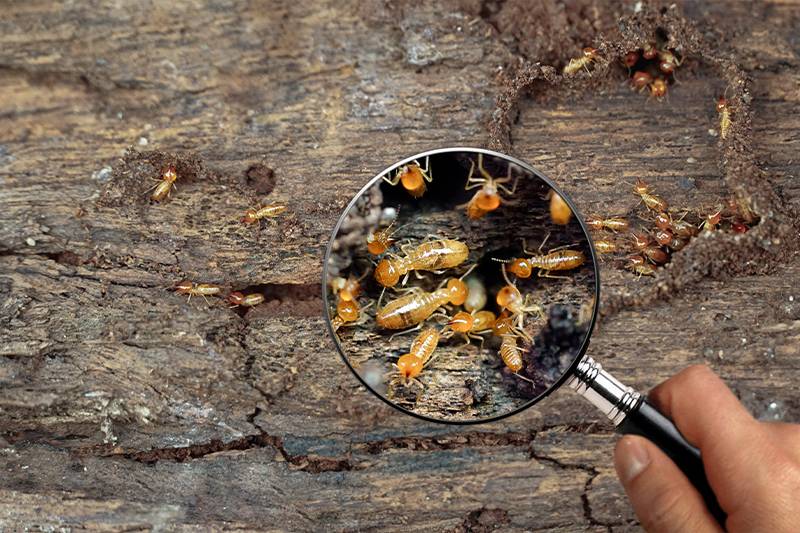
Seeing actual termites is the clearest sign of infestation. Worker termites are cream-colored with dark heads and about the size of a grain of rice. You might spot them:
- When breaking open damaged wood
- In crawl spaces or basements
- Near mud tubes
- During swarm season in spring
If you see multiple termites, especially inside your home, call a professional right away.
Musty Odor
Large termite colonies give off a damp, moldy smell. If you notice this odor in areas with no obvious moisture problem, termites could be the cause. The smell comes from the combination of termite waste and the moist conditions they create.
How Much Does a Termite Inspection Cost in Missouri?
In Missouri, termite inspection costs typically range from $75 to $300. The average homeowner pays around $100 to $150 for a standard inspection. Several factors affect the final price:
Size and Complexity
Larger homes take more time to inspect thoroughly. A small 1,000 square foot home might cost $75, while a 3,000 square foot home with multiple levels, a basement, and an attic could reach $200 or more.
Homes with difficult access areas like tight crawl spaces or high attics also cost more to inspect. The inspector needs extra time to reach and check these spaces safely.
Type of Inspection
Preventive Inspections:Many pest control companies offer free inspections if you’re a potential customer for treatment services. Regular annual inspections for existing customers often cost $75 to $100.
Real Estate Transaction Inspections:When buying or selling a home, inspections cost $100 to $300. These include detailed documentation and official termite letters that lenders require. The extra paperwork and liability increase the price.
VA and FHA Loan Inspections:Government-backed loans require specific inspection reports. These cost $100 to $200 and must be done by licensed inspectors. Missouri requires these inspections in areas where termite activity is common.
Treatment Plans and Bonds
Some companies include the initial inspection in their treatment package. If you sign up for ongoing termite protection, the inspection might be free or discounted. Annual termite protection plans in Missouri typically cost $200 to $500 per year and include regular inspections.
Location Within Missouri
Inspection costs vary by area:
- St. Louis: $100 to $150 average
- Kansas City: $100 to $175 average
- Columbia and Mid-Missouri: $75 to $150 average
- Rural areas: $100 to $200 (may include travel fees)
Is the Inspection Worth It?
When you compare a $100 inspection to thousands in potential repair costs, the answer is clear. Here’s why termite inspections make financial sense:
Early Detection Saves Money
Catching termites early means less damage to repair. A small infestation caught during inspection might cost $500 to $1,000 to treat. Waiting until you notice obvious damage could mean $5,000 to $15,000 in repairs plus treatment costs.
Protection for Home Buyers
If you’re buying a home inCuba,St. James, or anywhere in Missouri, an inspection protects your investment. Many home sale contracts include inspection contingencies. If serious termite problems appear, you can:
- Ask the seller to treat the infestation
- Request a price reduction
- Walk away from the deal
For VA and FHA loans, lenders require termite inspections in Missouri. The inspection ensures you’re not buying a home with expensive hidden damage.
Peace of Mind for Homeowners
Knowing your home is termite-free lets you sleep better at night. Regular inspections become part of routine home maintenance, like checking your roof or servicing your HVAC system.
In Missouri, where 75% of older homes will eventually face termites, yearly inspections catch problems before they become disasters.
Lower Treatment Costs
Finding termites during an inspection means you can choose the best treatment option. Early detection often allows for:
- Spot treatments instead of whole-house fumigation
- Bait stations that cost less than liquid treatments
- Prevention strategies that stop colonies from forming
Waiting until termites cause visible damage limits your options and increases costs.
When Should You Get a Termite Inspection?
Different situations call for termite inspections:
Before Buying a Home
Always get an inspection before purchasing property. This is separate from your standardhome inspection services. Even new construction can have termites if the land had colonies before building started.
When Selling Your Home
Getting apre-listing inspectionhelps you address problems before putting your house on the market. This prevents surprises during buyer inspections and can speed up the sale process.
Annual Preventive Checks
Homeowners should schedule inspections every year, especially if:
- Your home is more than 5 years old
- You live in a wooded area
- Your neighborhood has mature trees
- Previous homes nearby had termite problems
- You’ve had termites before
After Noticing Warning Signs
Call for an immediate inspection if you spot any termite signs. Don’t wait for your annual checkup. The sooner you act, the less damage termites can cause.
During Spring Swarm Season
Termites swarm in Missouri during spring, especially after warm rain. This is when new colonies form. Schedule an inspection in early spring to catch activity before it spreads.
Choosing a Termite Inspector in Missouri
Not all inspection companies offer the same quality. Here’s what to look for:
Proper Licensing and Certification
Missouri requires pest control operators to have proper licensing. Ask to see credentials and make sure they’re current. Good inspectors often have additional certifications from professional organizations.
Experience and Training
Find out how long the company has been doing termite inspections. Ask about their inspector’s training and experience. Someone who has done hundreds of inspections will spot problems that beginners might miss.
Detailed Reports
Request to see a sample inspection report before hiring. Good reports include:
- Clear photographs of problem areas
- Detailed descriptions of findings
- Specific locations of issues
- Treatment recommendations
- Cost estimates for repairs
References and Reviews
Check online reviews from customers in Missouri. Ask the company for references from recent inspections. Talk to neighbors or friends who have used their services.
Treatment Options
Find out what treatments the company offers if termites are found. Companies that provide multiple treatment methods give you more choices. Ask about:
- Liquid soil treatments
- Bait station systems
- Spot treatments
- Prevention programs
Guarantees and Follow-Up
Good companies stand behind their work. Ask about:
- Re-treatment guarantees
- Annual inspection programs
- Damage warranties
- Response time for callbacks
Preventing Termites Between Inspections
While professional inspections are important, you can take steps to make your home less attractive to termites:
Fix Moisture Problems
Termites need water to survive. Reduce moisture around your home by:
- Fixing leaky pipes and faucets
- Repairing roof leaks quickly
- Cleaning gutters regularly
- Making sure downspouts drain away from your foundation
- Installing proper ventilation in crawl spaces
- Using dehumidifiers in damp basements
Remove Wood-to-Soil Contact
Any wood touching the ground gives termites easy access. Take these steps:
- Keep firewood at least 20 feet from your house and raised off the ground
- Remove tree stumps and dead roots near your foundation
- Use concrete or metal supports where deck posts meet soil
- Maintain a 6-inch gap between soil and wooden siding
- Clear wood debris and mulch from around your foundation
Seal Entry Points
Even tiny cracks let termites inside. Seal:
- Foundation cracks with appropriate filler
- Gaps around utility lines entering your home
- Cracks in concrete slabs
- Openings around pipes and wires
Maintain Your Yard
Good landscaping helps prevent termites:
- Trim trees and bushes away from your house
- Remove dead wood and debris from your yard
- Avoid using wood mulch right next to your foundation
- Fix areas where water pools after rain
- Keep your lawn healthy to reduce bare soil areas
Regular Self-Checks
Between professional inspections, look for termite signs yourself every few months. Check your basement, crawl space, and foundation regularly. Look for mud tubes, damaged wood, and other warning signs.
What Happens If Termites Are Found?
Finding termites during an inspection doesn’t mean disaster. Here’s what comes next:
Treatment Options
Your inspector will recommend the best treatment based on the infestation severity:
Liquid Soil Treatments:Applied around your home’s perimeter to create a chemical barrier. Costs $1,000 to $3,000 for whole-house treatment.
Bait Station Systems:Placed around your property to attract and eliminate termite colonies. Initial installation costs $1,500 to $3,500 with annual monitoring fees.
Spot Treatments:Target specific areas with limited infestation. Costs $200 to $500 per area.
Wood Treatments:Apply termiticide directly to infested wood. Good for drywood termites in specific locations.
Repair Costs
After eliminating termites, you’ll need to fix the damage they caused. Repair costs depend on severity:
- Minor cosmetic repairs: $500 to $1,500
- Moderate structural repairs: $2,000 to $5,000
- Major structural work: $5,000 to $15,000 or more
Follow-Up Inspections
Schedule are-inspectionafter treatment to confirm the termites are gone. Most companies include this in their treatment package. Ongoing monitoring helps prevent future infestations.
Special Considerations for Missouri Homeowners
Missouri’s unique climate and geography create specific termite challenges:
Climate Factors
The state’s hot, humid summers and freeze-thaw cycles affect termite activity. Spring brings heavy rains that trigger swarming season. Moisture from summer humidity helps colonies thrive.
Soil Types
Missouri’s clay-heavy soils hold moisture well, creating ideal conditions for subterranean termites. The soil also expands and contracts, creating foundation cracks that give termites entry points.
Older Housing Stock
Many Missouri homes were built before modern termite prevention became standard. Older homes inSt. Clair,Union, andFarmingtonoften have wood-to-soil contact and poor ventilation.
High-Risk Areas
Wooded neighborhoods and properties near creeks or rivers face higher termite risk. Homes in mature neighborhoods where many properties have termites are also at increased risk.
Frequently Asked Questions
Can I Do My Own Termite Inspection?
You can look for obvious signs, but professional inspectors find problems you’ll miss. They have training, experience, and special tools to detect hidden infestations. DIY inspections work for monitoring between professional visits but shouldn’t replace yearly professional checks.
How Long Does a Termite Inspection Take?
Most inspections take 45 minutes to 90 minutes depending on your home’s size and complexity. Larger homes or properties with multiple buildings take longer.
Do I Need to Be Home During the Inspection?
Not necessarily, but being present helps. You can ask questions, learn about problem areas, and get maintenance tips. If you can’t be there, make sure the inspector can access all areas including basements, attics, and crawl spaces.
Will the Inspector Damage My Home?
Inspectors try to avoid damage, but they might need to move stored items, probe wood in suspicious areas, or drill small test holes. Any invasive steps should be discussed with you first.
How Often Should I Get Inspected?
Annual inspections are best for Missouri homes. If you’ve had termites before or live in a high-risk area, consider inspections every 6 months. New homes might go 2 to 3 years between inspections, but yearly checks are still smart.
Comparing Inspection Costs to Potential Damage
Think of termite inspections as insurance for your home. Here’s the math:
Cost of Prevention:
- Annual inspection: $100 to $150
- 10 years of inspections: $1,000 to $1,500
Cost of Damage:
- Average Missouri termite damage: $3,000 to $11,000
- Severe structural damage: $15,000 to $50,000
- Potential drop in home value: Up to $50,000
Spending $1,500 over 10 years to avoid $10,000 in damage makes good financial sense. One inspection that catches termites early pays for itself many times over.
Working With Other Home Services
Termite inspections work well with other property services. When getting yourbuyers inspectionor routine maintenance, consider adding:
- Radon testingif you live in an area with elevated radon levels
- Mold testingin damp basements or after water damage
- Septic system inspectionfor rural properties
- Well water testingto check water quality
Bundling services often saves money compared to scheduling each one separately.
Final Thoughts
A termite inspection is definitely worth the cost for Missouri homeowners. These small pests cause billions in damage every year, and Missouri’s climate makes the state especially vulnerable. With research showing that most older homes will eventually face termites, regular inspections are your best defense.
Spending $100 to $150 once a year protects your home’s value and structure. Early detection through professional inspections saves thousands in repair costs and gives you peace of mind. Whether you’re buying a home inRolla,Owensville, orSt. Robert, don’t skip this important step.
The inspection process is quick, thorough, and informative. Professional inspectors use advanced tools to find problems you’d never spot on your own. They check every area where termites might hide and give you a detailed report about your home’s condition.
Remember that homeowners insurance won’t cover termite damage. Prevention through regular inspections is your only protection. The small cost of yearly checkups is nothing compared to the massive expense of repairing termite damage after years of undetected activity.
Make termite inspections part of your regular home maintenance routine. Your home is likely your biggest investment. Protect it with professional inspections that catch problems early and keep your property safe for years to come.
Ready to protect your Missouri home from termite damage? Don’t wait until you see signs of an infestation. Call (314) 629-6606 orcontact us todayto schedule your professional termite inspection and get peace of mind about your property.
How often should I schedule a termite inspection?
It is recommended to have a professional termite inspection conducted annually. However, if you live in an area prone to termite activity or have had previous infestations, more frequent inspections may be necessary.
Are termite inspections only necessary for older homes?
No, termite inspections are essential for both new and old homes. Termites can infest any property, regardless of its age. Regular inspections help detect and prevent infestations, regardless of the home’s age.
Can I conduct a termite inspection myself?
While homeowners can look out for potential signs of termite activity, professional inspections are highly recommended. Trained inspectors have the knowledge, experience, and specialized equipment to detect even the most hidden infestations accurately.
How long does a termite inspection typically take?
The duration of a termite inspection depends on the size and complexity of the property. On average, inspections can range from one to two hours. However, larger properties or those with specific concerns may require more time.
What happens if termites are found during the inspection?
If termites are found during the inspection, the inspector will provide recommendations for treatment and prevention. They may suggest various options such as localized treatments, barrier installations, or ongoing monitoring to eradicate the infestation and protect your home.
Uncover Hidden Issues Before It’s Too Late!
Hire ARC Home InspectionsProtect your investment and avoid costly surprises after closing.