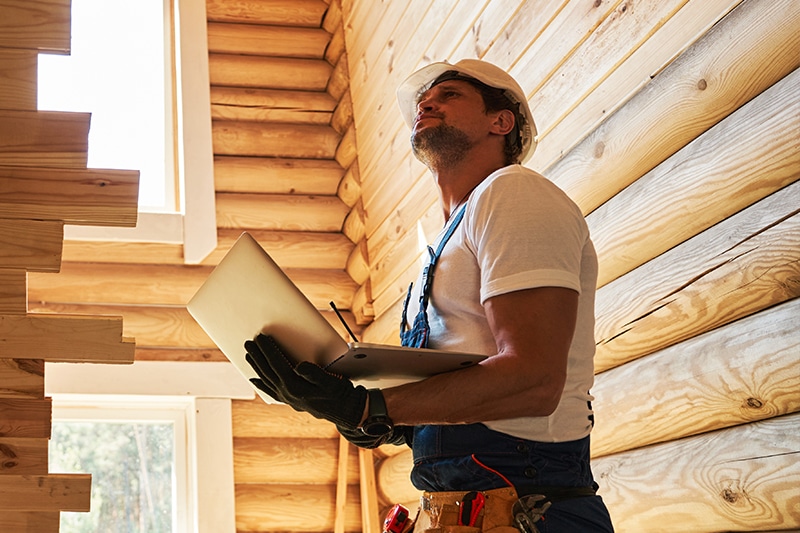
You can expect a home inspection to take 2 to 4 hours where a professional inspector checks your entire house from the roof to the foundation. They look at all major systems like electrical, plumbing, heating, and cooling. Within 24 to 48 hours, you get a detailed report with photos showing any problems they found.
This guide walks you through the entire home inspection process in Missouri. You’ll learn what inspectors look for first, how to prepare your house for the inspection, and what to do with the results. Whether you’re buying or selling a home, knowing what to expect makes the process much easier.
Understanding What a Home Inspection Covers
A home inspection is a complete checkup for your house. Think of it like taking your car to a mechanic, except the inspector looks at every visible part of your home instead of just the engine.
The Scope of a Standard Inspection
Inspectors examine everything they can see and safely reach. They don’t tear apart walls or dig up your yard. The inspection is visual and non-invasive. That means your house stays in one piece while they check it out.
Most inspections follow standards set by groups like the American Society of Home Inspectors or the International Association of Certified Home Inspectors. These standards make sure every inspector covers the same basic areas.
Here’s what gets checked:
Major Systems
- Heating and air conditioning
- Electrical panels and wiring
- Plumbing pipes and fixtures
- Water heater condition
Structural Elements
- Foundation and basement
- Walls, floors, and ceilings
- Roof and attic
- Windows and doors
Safety Features
- Smoke and carbon monoxide detectors
- Handrails and stairways
- Ground fault outlets in wet areas
- Fire hazards
Research shows that 86% of home inspections find at least one issue that needs attention. That’s totally normal. Even brand new homes have punch lists of small items to fix.
What Inspections Don’t Include
Home inspectors are generalists, not specialists. They spot problems but don’t diagnose exact causes or fix anything. If they find something serious, they recommend bringing in an expert.
Standard inspections don’t cover:
- Inside walls or under floors
- Septic systems or wells
- Swimming pools or hot tubs
- Pest infestations
- Mold, radon, or asbestos testing
- Chimney interiors
You can add these as extra services. Many companies offer radon testing, mold testing, septic system inspection, and WDO termite inspection for an additional fee.
What Is the First Thing an Inspector Wants to See?
Clear access is the first thing inspectors need. They can’t check systems they can’t reach. Before anything else, they want to know they can get to all the important areas.
Access to Key Areas
Inspectors need entry to:
- Electrical panels and breaker boxes
- Water heaters and furnaces
- Attic spaces
- Crawl spaces and basements
- Main water shut off valves
- Garage and outbuildings
If something is locked, blocked, or buried under boxes, inspectors can’t check it. They’ll mark it as “not inspected” in the report. That creates questions for buyers and problems for sellers.
One inspector explains it simply: “I need to open every cabinet, enter every room, and inspect every detached structure. If I can’t get to it, I can’t inspect it.”
Documentation and Information
After checking access, inspectors like to see any paperwork you have about the house. This includes:
- Recent repair receipts
- Warranty information
- Permits for renovations
- Service records for HVAC or appliances
- Previous inspection reports
This documentation isn’t required. But it helps inspectors do a better job. It shows them what’s been fixed, updated, or replaced. For Missouri homes where the median age is from 1979, having records of major updates matters a lot.
Systems Ready to Test
Inspectors want all utilities turned on. They can’t test systems that aren’t running. Make sure:
- Water is flowing
- Electricity is on
- Gas is connected
- Pilot lights are lit
- HVAC systems are operational
If the house sits vacant, turn everything on before the inspection. Inspectors won’t light pilot lights for safety reasons. That’s your job.
How to Prepare Your House for an Inspection
Good preparation helps your inspection go smoothly. It also shows buyers you’ve taken care of your home. Here’s what you need to do.
Clean and Declutter Every Space
A clean house makes a better impression. More importantly, clutter blocks access to things inspectors need to check.
Start inside:
- Remove items from attic entrances
- Clear space around water heaters and furnaces
- Clean out under sinks
- Empty closets blocking electrical panels
- Take stuff away from crawl space doors
Move to the outside:
- Trim bushes away from the house
- Clean gutters and downspouts
- Remove debris from the yard
- Clear walkways to all buildings
- Cut grass and tidy landscaping
Clutter doesn’t just block access. It also raises questions about how well you maintain your home. A messy, dirty house suggests neglect even if everything works fine.
Fix Small Problems Before the Inspector Finds Them
Little issues are easy to fix but look bad on inspection reports. Take care of these simple things:
Lighting
- Replace all burned out bulbs
- Fix flickering lights
- Make sure outdoor lights work
- Check that all switches function
Plumbing
- Fix dripping faucets
- Stop running toilets
- Check for leaks under sinks
- Test water pressure throughout the house
Electrical
- Tighten loose outlet covers
- Replace missing outlet plates
- Label your breaker box correctly
- Test GFCI outlets in bathrooms and kitchens
Doors and Windows
- Oil squeaky hinges
- Adjust doors that stick
- Make sure windows open and close
- Replace torn screens
Safety Features
- Install fresh batteries in smoke detectors
- Test carbon monoxide alarms
- Add missing detector covers
- Check that they work properly
These fixes cost very little but make a big difference. They show buyers your home has been well maintained.
Prepare Important Systems for Testing
Your inspector will test every major system in your home. Help them out by getting everything ready:
HVAC Systems
- Change dirty air filters
- Clear space around units
- Make sure thermostats work
- Have service records available
Research from 2025 shows the average home inspection costs between $296 and $424 depending on size and location. Making systems easy to test helps inspectors work faster and more thoroughly.
Water Heater
- Clear access to the unit
- Check for leaks or rust
- Note the age and capacity
- Have warranty information ready
Appliances
- Remove laundry from washers and dryers
- Empty and run the dishwasher
- Clean the refrigerator inside and out
- Test stove burners and oven
Make Sure Everything Is Accessible
Inspectors work on tight schedules. The easier you make their job, the better inspection you’ll get.
Leave out:
- Keys to locked areas
- Garage door openers and remotes
- Codes for security systems
- Instructions for special features
- Receipts for recent repairs
Unlock:
- Electrical boxes and panels
- Gates and outdoor storage
- Attic hatches and crawl space doors
- Basement rooms
- Detached garages or sheds
If your inspector can’t get somewhere, they can’t inspect it. “Not inspected” items raise red flags for buyers and slow down sales.
Plan to Be Away During the Inspection
Most experts say sellers should leave during inspections. Buyers feel more comfortable asking questions without you there. Inspectors work more efficiently when homeowners aren’t watching over their shoulders.
If you must be home:
- Stay out of the inspector’s way
- Don’t follow them room to room
- Let the buyer ask questions freely
- Keep pets secured in one area
Plan to be gone for at least 3 hours. Inspections take time, and buyers often walk through with the inspector.
The Inspection Process Step by Step
Knowing what happens during the inspection helps you understand the final report. Here’s how it typically goes.
The Exterior Walkthrough
Inspectors usually start outside. They check your home’s first line of defense against weather and water.
Roof and Gutters The inspector looks at shingles, flashing, and chimney condition. They check for missing pieces, damage, or signs of leaks. Most won’t climb on steep or high roofs. Instead, they use binoculars or drones.
Gutters get checked for clogs, rust, and proper drainage. In Missouri, where spring brings heavy rain and winter brings ice, good gutters matter. They protect your foundation from water damage.
Siding and Foundation Your home’s exterior shell keeps weather out. Inspectors look for:
- Cracks in siding or stucco
- Rot or damage to wood trim
- Gaps around windows and doors
- Foundation cracks or settling
Small cracks are normal in older homes. Large cracks or ones that grow over time signal bigger problems. Foundation repairs can cost $5,000 to $40,000, so inspectors take this seriously.
Grading and Drainage Water should flow away from your house, not toward it. The ground needs to slope away from the foundation for at least 5 feet. Downspouts should direct water at least 5 feet away too.
Poor drainage causes foundation problems, basement flooding, and wood rot. It’s one of the most common issues inspectors find.
The Interior Examination
After checking outside, inspectors move inside to look at systems and structure.
Electrical Systems Electricity powers modern life but can also be dangerous. Inspectors check:
- Main electrical panels
- Circuit breakers and fuses
- Outlet function and safety
- Light fixtures and switches
- Grounding and wiring condition
Older Missouri homes built in the 1970s or earlier often have outdated wiring. Aluminum wiring and old panels are fire hazards. Complete rewiring costs $8,000 to $15,000 or more.
Plumbing Systems Inspectors test every faucet, flush every toilet, and check under sinks. They look for:
- Water pressure throughout the house
- Leaking pipes or fixtures
- Drain function
- Water heater age and condition
- Visible pipe corrosion
Houses built before 1970 often have galvanized steel pipes. These rust from inside after 40 to 50 years. Replacing all plumbing costs $4,000 to $10,000.
HVAC Systems Your heating and cooling get tested even if it’s the wrong season. Inspectors check:
- System age and efficiency
- Proper operation of heating and cooling
- Thermostat function
- Filter condition
- Duct connections
HVAC systems last 10 to 15 years. In Missouri’s climate with cold winters and hot summers, these systems work hard. Replacement costs $5,000 to $10,000.
Interior Structure Walls, floors, and ceilings get examined for:
- Cracks or damage
- Water stains
- Uneven or sloping floors
- Doors and windows that stick
- Signs of moisture or mold
These issues can point to foundation problems, roof leaks, or structural damage. Inspectors note everything but focus on safety hazards and major concerns.
Hidden Spaces
Attics and crawl spaces hide many problems. Inspectors check these carefully if they can safely access them.
Attic Inspection In the attic, inspectors look for:
- Insulation type and coverage
- Ventilation adequacy
- Signs of roof leaks
- Proper venting of bathroom and kitchen fans
- Electrical wiring condition
Good attic insulation saves energy. Proper ventilation prevents moisture problems and extends roof life.
Crawl Space Check Crawl spaces are the riskiest part of inspections for inspectors themselves. These tight spaces hide dangers like sharp metal, exposed wiring, rodents, and poor air quality.
Inspectors check for:
- Standing water or moisture
- Foundation cracks
- Floor joist condition
- Proper ventilation
- Pest evidence
Many Missouri homes have crawl spaces. Water problems there lead to mold, wood rot, and pest infestations.
Understanding Your Inspection Report
Within 24 to 48 hours after the inspection, you receive a detailed report. This document becomes your roadmap for understanding the home’s condition.
Report Format and Content
Modern inspection reports include:
- Hundreds of photos
- Written descriptions of each system
- Safety concerns highlighted
- Recommendations for repairs or monitoring
- Estimates of remaining system life
The report might run 30 to 50 pages or more. Don’t let the length scare you. Most issues are minor.
Good inspectors organize reports by priority:
- Safety hazards needing immediate attention
- Major repairs that cost significant money
- Minor issues and maintenance items
- Normal wear for the home’s age
Reading Between the Lines
Not everything in the report deserves equal attention. Learn to spot what really matters.
Red Flag Language Watch for these terms:
- “Safety hazard”
- “Recommend immediate repair”
- “Further evaluation needed”
- “Significant concern”
- “Not functioning properly”
These phrases signal serious problems. Don’t ignore them.
Normal Aging Language These phrases are less urgent:
- “Normal wear for age”
- “Monitor for changes”
- “Routine maintenance recommended”
- “Minor cosmetic issue”
- “Typical for this type of home”
Every house has these items. They’re part of homeownership.
Creating Your Action Plan
Use your report to make smart decisions. As a buyer, decide:
- What must be fixed before closing
- What you’ll negotiate with the seller
- What you’ll handle after you move in
- Whether the problems are deal breakers
As a seller, figure out:
- What to fix to keep the sale moving
- What to offer credits for
- How to price repairs into negotiations
- Whether to get specialist quotes
For buyers considering a buyers inspection in Missouri, the report protects your investment. It gives you leverage in negotiations and prevents expensive surprises after closing.
What Happens After the Inspection
The inspection report starts conversations between buyers and sellers. Here’s what typically happens next.
Negotiating Repairs and Credits
Most purchase agreements include inspection contingencies. This means buyers can back out or renegotiate based on inspection findings.
Buyers usually ask for one of three things:
Repairs Before Closing The seller fixes problems and provides receipts from licensed contractors. This works well for safety issues or things that affect the loan.
Credits at Closing The seller reduces the price or provides cash so buyers can make repairs themselves. Buyers like this option because they control who does the work.
Price Reduction The purchase price drops to account for needed repairs. This helps buyers who need to stretch their budgets.
Bringing in Specialists
Major problems need expert evaluation. Your inspector identifies issues but doesn’t quote repair costs or diagnose root causes.
Consider hiring:
- Structural engineers for foundation problems
- Licensed electricians for electrical issues
- HVAC contractors for heating and cooling
- Plumbers for serious pipe problems
- Roofers for roof condition
Specialists provide detailed estimates you can use in negotiations. They also confirm whether problems are as serious as they seem.
Deciding Whether to Proceed
Sometimes inspection reports reveal deal breakers. You have options:
Accept and Buy Some issues don’t bother you or cost much to fix. You buy the house as is and handle repairs yourself.
Negotiate Solutions Most transactions land here. Buyers and sellers work out who fixes what. Real estate agents guide these conversations.
Walk Away If problems cost too much or signal deeper issues, you can cancel the purchase. Your inspection contingency protects you from losing your deposit.
Walking away disappoints everyone. But it beats buying a house that drains your savings for years.
Special Considerations for Missouri Homes
Missouri’s climate and housing stock create unique inspection challenges. Understanding local issues helps you prepare better.
Climate Related Problems
Missouri weather stresses homes. We get:
- Freezing winters with ice dams
- Hot, humid summers
- Spring storms with hail
- Tornado activity above national average
These conditions affect:
- Roof lifespan and condition
- Foundation movement from soil changes
- HVAC system wear and tear
- Moisture problems in basements and crawl spaces
Inspectors familiar with Missouri know what to look for. They understand how our weather impacts houses over time.
Older Home Challenges
Many Missouri homes date from the 1970s and earlier. The median home age in cities like Lebanon is from 1979. Older homes often need:
- Electrical system updates
- Plumbing replacement
- Insulation improvements
- Foundation repairs from settling
These aren’t necessarily deal breakers. They’re just part of owning an older home. Your inspection helps you budget for these updates.
Local Building Practices
Construction methods vary by region and era. Missouri homes built in different decades have different characteristics:
1950s to 1970s
- Often have galvanized plumbing
- May have aluminum wiring
- Frequently have minimal insulation
- Sometimes have foundation issues from poor drainage
1980s to 2000s
- Better insulation standards
- More modern electrical systems
- Improved foundation techniques
- Sometimes have EIFS (synthetic stucco) issues
Knowing your home’s age helps you anticipate what inspectors might find.
Choosing the Right Inspector
Your inspection quality depends on your inspector’s skill and experience. Don’t just pick the cheapest option.
Qualifications to Look For
Choose an inspector who has:
- Proper licensing and certification
- Professional association membership
- Insurance and bonding
- Experience with homes in your area
- Good reviews from past clients
Professional groups like ASHI and InterNACHI require members to pass exams, follow ethical standards, and complete continuing education. Membership shows commitment to quality.
Questions to Ask
Before hiring, ask:
- How many inspections have you completed?
- What does your inspection cover?
- How long will it take?
- When will I receive the report?
- Can I attend the inspection?
- What additional services do you offer?
Good inspectors welcome questions. They explain their process clearly and encourage you to follow along during the inspection.
For comprehensive home inspection services in Jefferson City and throughout Mid-Missouri, look for inspectors who understand local housing stock and climate challenges.
Red Flags to Avoid
Skip inspectors who:
- Pressure you to use their preferred contractors
- Rush through inspections in under 2 hours
- Don’t provide detailed written reports
- Won’t let you attend the inspection
- Can’t provide proof of insurance
- Have no professional certifications
Your home purchase is too important to trust to unqualified inspectors.
Common Questions About Home Inspections
Let’s address questions buyers and sellers frequently ask.
How Long Does an Inspection Take?
Most inspections take 2 to 4 hours for an average home. Larger houses take longer. Homes with complex systems or multiple outbuildings need more time.
Factors that affect timing:
- Square footage
- Home age and condition
- Number of systems to check
- Additional services requested
- Weather conditions
Don’t rush your inspector. Thorough inspections find problems fast ones miss.
Can I Attend My Inspection?
Yes, and you should. Attending your inspection helps you:
- See problems firsthand
- Ask questions immediately
- Learn about your home’s systems
- Understand the severity of issues
- Get maintenance tips
Most inspectors welcome buyers. Some prefer sellers stay away so buyers feel comfortable asking questions.
What If Major Problems Show Up?
Major problems don’t automatically kill deals. They do change negotiations. Talk with your real estate agent about:
- How serious the problems really are
- What repairs cost
- Whether to ask for fixes or credits
- If you should walk away
Your agent has handled these situations before. Trust their guidance.
Do I Need Additional Testing?
That depends on your home and location. Consider extra tests if:
- The house was built before 1978 (lead paint risk)
- You smell musty odors (mold concerns)
- The home has a well or septic system
- Previous radon testing showed high levels
- You see signs of termites or pests
These specialized tests cost extra but provide important information. Well water testing makes sense for rural properties. Radon testing protects your family’s health.
How Much Does an Inspection Cost?
Home inspection costs vary by location and home size. In 2025, typical costs run:
- Small homes: $280 to $350
- Average homes: $340 to $450
- Large homes: $450 to $600
Additional services add to these costs. Factor inspection expenses into your home buying budget.
The few hundred dollars you spend on inspection can save you thousands in repairs. It’s one of the best investments you’ll make during the home buying process.
Final Thoughts
Home inspections protect both buyers and sellers. They reveal a property’s true condition before money changes hands. The 2 to 4 hours an inspector spends checking your home can prevent years of headaches and financial stress.
As a buyer, expect inspections to find issues. No house is perfect. Use the report to negotiate fairly and make informed decisions. Attend the inspection to learn about your potential new home.
As a seller, prepare thoroughly to help your inspection go smoothly. Fix small problems beforehand. Make everything accessible. Good preparation shows buyers you’ve maintained your home well.
Remember that standard inspections don’t cover everything. Consider additional testing based on your home’s age, location, and condition. Budget for both the inspection and any repairs that might be needed.
Working with experienced professionals makes the process easier. Choose qualified inspectors who understand Missouri homes and climate challenges. Trust your real estate agent’s guidance on negotiating repairs and moving forward after the inspection.
A home purchase is one of life’s biggest financial decisions. Home inspections give you the information needed to proceed with confidence. Whether you’re buying or selling in Missouri, thorough inspections protect your investment and provide peace of mind.
Ready to schedule your professional home inspection? Don’t leave your biggest investment to chance. Call us at (314) 629-6606 or schedule your inspection today. Our comprehensive evaluations cover 400+ points and include free thermal imaging and moisture testing, with detailed reports delivered within 24 hours.